Cybersecurity has become more important than ever, especially with the rise in cyberattacks. However, much focus is put on computers, laptops, servers, etc. Mobile phones and tablets seem to be overlooked when talking about cybersecurity.
Today smartphones are integrated into the modern workforce as driven by work at home and remote working. To enhance mobility, these devices are installed with business mobile applications that enable access to company systems. They enable users to conduct different activities on-the-go, such as banking, connecting to company networks, business transactions, and other social operations. However, this is raising concerns about the security of sensitive corporate data and other personal information stored on phones.
Despite these concerns, businesses continue to be lax on enforcing solid measures to protect company data and networks.
Since the phones have less protection than computers, they have become an easy target for cybercriminals who are using different methods to gain access to phones.
Security Threats to Mobile Devices
Phishing is one common attack vector that uses fake emails and text messages to trick users into clicking links that download malware onto a user’s smartphone. For instance, cybercriminals may use SMS to mimic legitimate companies and send messages that contain harmful links.
Recently, cybersecurity researchers cited a WhatsApp phishing campaign that attempts to lead WhatsApp users to install an information-stealing malware. The senders impersonate the WhatsApp notification service and send an email to a user claiming they have received a private voicemail. A user who is unaware of this ploy and clicks on the play button in the email will download malware onto their phone.
Attackers also take advantage of data leakage through malicious mobile apps. Users can get these apps by downloading fake versions of real apps, which are infected with malicious code that steals personal data stored on a phone.
Data can be stolen through legitimate solutions, as researchers found at the end of October 2021, when they discovered a banking trojan horse known as SharkBot in six phoneapps. These apps were designed as legitimate antivirus solutions. The malware could bypass multifactor authentication to steal credentials and banking information, and even transfer money. Although the six dangerous apps have since been deleted from the Google Play store, this goes to show that hackers do not tire of looking for ways to infiltrate mobile devices.
Mobile phones also are affected by web-based mobile security threats when users access affected sites that download malicious content onto a device.
Other security threats to phones include using unsecured public WiFi, lost or stolen mobile devices, mobile spyware, rooting malware and jailbroken phones that become more prone to attacks.
How to Keep Safe
Since phones are now primarily being used as business tools, business owners need to rethink their mobile strategies for both employer-provided devices and bring your own device (BYOD).
Businesses that deploy mobile device management (MDM) tools will block potentially harmful apps, automatically update software, and remotely wipe off data on stolen or lost phones.
Users are the weakest link in security issues; hence, a need for regular security risk-training on social engineering by learning how to differentiate suspicious emails and SMS messages. Users also need to learn to avoid downloading applications from third parties and other untrusted sources and use only authorized app stores. Furthermore, user training should include the dangers of public Wi-Fi, the importance of turning off a phone’s Wi-Fi when not using it, and locking the device with a strong password or biometrics, such as fingerprint detection.
Users also should avoid granting broad app permissions, especially for free apps that may be sending sensitive data to remote servers, where it can be used not only by advertisers but also by cybercriminals.
Keeping device operating systems and other software updated will reduce attack possibilities since cybercriminals use old bugs to hack devices.
It is important to install anti-malware and anti-virus programs on mobile devices since they now face the same threats as computers and laptops.
Businesses can introduce a mobile device policy that employees sign before accessing company resources on their devices or when receiving employer-provided devices. Such a policy includes the dos and don’ts of using phones.
Regular security testing is crucial for enterprise applications as it helps expose vulnerabilities in apps and especially those developed by third-party agencies to ensure the security meets required compliance guidelines.
Conclusion
Mobile phones now have capabilities similar to computers and store a lot of personal and sensitive data. As more devices access business systems, it creates more endpoints that put the business at risk of a data breach. Therefore, businesses of all sizes should take mobile security seriously through strong defensive measures, which can be enhanced with enterprise mobile security solutions.
Why Businesses Should Be Worried About Mobile Security and How to Keep Safe
May 1, 2022 · Blog, What's New in Technology
⏱ 4 min read
Cybersecurity has become more important than ever, especially with the rise in cyberattacks. However, much focus is put on computers, laptops, servers, etc. Mobile phones and tablets seem to be overlooked when talking about cybersecurity.
Today smartphones are integrated into the modern workforce as driven by work at home and remote working. To enhance mobility, these devices are installed with business mobile applications that enable access to company systems. They enable users to conduct different activities on-the-go, such as banking, connecting to company networks, business transactions, and other social operations. However, this is raising concerns about the security of sensitive corporate data and other personal information stored on phones.
Despite these concerns, businesses continue to be lax on enforcing solid measures to protect company data and networks.
Since the phones have less protection than computers, they have become an easy target for cybercriminals who are using different methods to gain access to phones.
Security Threats to Mobile Devices
Phishing is one common attack vector that uses fake emails and text messages to trick users into clicking links that download malware onto a user’s smartphone. For instance, cybercriminals may use SMS to mimic legitimate companies and send messages that contain harmful links.
Recently, cybersecurity researchers cited a WhatsApp phishing campaign that attempts to lead WhatsApp users to install an information-stealing malware. The senders impersonate the WhatsApp notification service and send an email to a user claiming they have received a private voicemail. A user who is unaware of this ploy and clicks on the play button in the email will download malware onto their phone.
Attackers also take advantage of data leakage through malicious mobile apps. Users can get these apps by downloading fake versions of real apps, which are infected with malicious code that steals personal data stored on a phone.
Data can be stolen through legitimate solutions, as researchers found at the end of October 2021, when they discovered a banking trojan horse known as SharkBot in six phoneapps. These apps were designed as legitimate antivirus solutions. The malware could bypass multifactor authentication to steal credentials and banking information, and even transfer money. Although the six dangerous apps have since been deleted from the Google Play store, this goes to show that hackers do not tire of looking for ways to infiltrate mobile devices.
Mobile phones also are affected by web-based mobile security threats when users access affected sites that download malicious content onto a device.
Other security threats to phones include using unsecured public WiFi, lost or stolen mobile devices, mobile spyware, rooting malware and jailbroken phones that become more prone to attacks.
How to Keep Safe
Since phones are now primarily being used as business tools, business owners need to rethink their mobile strategies for both employer-provided devices and bring your own device (BYOD).
Businesses that deploy mobile device management (MDM) tools will block potentially harmful apps, automatically update software, and remotely wipe off data on stolen or lost phones.
Users are the weakest link in security issues; hence, a need for regular security risk-training on social engineering by learning how to differentiate suspicious emails and SMS messages. Users also need to learn to avoid downloading applications from third parties and other untrusted sources and use only authorized app stores. Furthermore, user training should include the dangers of public Wi-Fi, the importance of turning off a phone’s Wi-Fi when not using it, and locking the device with a strong password or biometrics, such as fingerprint detection.
Users also should avoid granting broad app permissions, especially for free apps that may be sending sensitive data to remote servers, where it can be used not only by advertisers but also by cybercriminals.
Keeping device operating systems and other software updated will reduce attack possibilities since cybercriminals use old bugs to hack devices.
It is important to install anti-malware and anti-virus programs on mobile devices since they now face the same threats as computers and laptops.
Businesses can introduce a mobile device policy that employees sign before accessing company resources on their devices or when receiving employer-provided devices. Such a policy includes the dos and don’ts of using phones.
Regular security testing is crucial for enterprise applications as it helps expose vulnerabilities in apps and especially those developed by third-party agencies to ensure the security meets required compliance guidelines.
Conclusion
Mobile phones now have capabilities similar to computers and store a lot of personal and sensitive data. As more devices access business systems, it creates more endpoints that put the business at risk of a data breach. Therefore, businesses of all sizes should take mobile security seriously through strong defensive measures, which can be enhanced with enterprise mobile security solutions.
Disclaimer
These articles provide general information on tax, accounting, and financial topics for small businesses and individuals. They are educational in nature and are not specific legal, accounting, financial, tax, or other professional advice, and should not be relied upon as such. This content was prepared by Service2Client and may have been reviewed or edited by the website owner for accuracy and compliance. Look for a trust mark below for verification details. No representation is made that any approach described will achieve a particular result, and no regulatory or professional body has reviewed or endorsed this content. Because each situation is different, readers should consult a qualified professional about their specific circumstances before acting. Images accompanying these articles are protected by copyright and may not be copied or reused.
According to the January 2022 Future Forum Pulse survey, there’s been a shift in what workers want post-pandemic. The report found that in Q4 of 2021, 78 percent of workers from six industrialized companies wanted location flexibility. The survey also found that 95 percent desired schedule flexibility. This is in light of the same survey finding that 72 percent of employees desire greater flexibility from their current places of employment. Those same workers reported that if they can’t find more flexible arrangements, they would seek out another employer that provides greater flexibility – compared to 57 percent expressing the same desire in Q3 of 2021.
According to a December 2017 Gallup report titled, “Thinking Flexibly About Flexible Work Arrangements,” along with helping develop and keep high-performing workers, creating and improving a flexible workplace also intensifies the tie workers have to their employer, as well as reducing employer expenses. While lowering costs is always attractive, it’s important to understand that not every role or type of business will have the same implementation opportunities.
When businesses formulate their flexible working arrangement, employers and employees must be on the same page, have clear expectations, and a way to measure that work is being completed in a manner similar to that in office. One important consideration is ensuring that remote employees are treated with the same consideration for potential promotions, projects, etc. Do managers and senior executives maintain the same level of treatment of employees whether someone comes into the office or works remotely and at different hours?
As for jobs that cannot be performed remotely, flexibility may not be very realistic. However, businesses can offer employees compensatory approaches to flexibility. Examples include a relaxed dress code and the ability, within reason, to choose lunch and break times. Employers also may offer the option for both an open floor plan and traditional office space to provide variety that leads to creativity and innovation.
Additionally, employers can create digital spaces where in-person workers can communicate with co-workers to discuss covering and switching shifts in their work schedules, helping them attend to their personal lives better and foster camaraderie. Businesses also can gamify employees covering each other shifts; for example, by offering a reward system if they take on extra shifts.
Permitting workers to select their preferred variety of tasks gives employees an awareness of freedom and can increase capabilities. By switching tasks within a pre-determined time frame or permitting employees to work at different offices or sites, employers can similarly provide a flexible working arrangement. This lets employees take on new responsibilities, workplace flows, and engage with different co-workers.
Variations on Flexible Working Arrangements
Another option is to work around employees’ personal circumstances. It could be a school system holding classes every other month or a mixed schedule. It also could take the shape of a four-day work week, whereby employees work 10 hours a day. This could similarly benefit families with children, parents, etc. that have medical or other special needs that can be addressed efficiently by a shorter but equally productive work week.
Splitting a Position
Having two (or more) employees perform duties of one full-time worker is called job sharing. This happens via employees performing a part-time schedule, combining to create a single full-time position. It’s able to satisfy the role of a full-time job while meeting the needs of workers looking for part-time work.
Legal Considerations
One consideration for employers to maintain compliance with the Fair Labor Standards Act (FLSA) for non-exempt employees with flexible work arrangements is to strictly monitor hours worked. According to the FLSA, non-exempt employees must receive 1.5 times standard wages when they work beyond 40 hours within any continuous seven-day work week. Ensuring that workplace guidelines are crafted and implemented equally, as well as documenting the implementation, is one way to reduce the risk of discrimination claims.
While providing flexible working arrangements is unique to every business, offering it can provide many benefits, especially the potential to attract and retain high-performing staff.
Combating Employee Hesitancy to Return to the Office
May 1, 2022 · Blog, General Business News
⏱ 4 min read
According to the January 2022 Future Forum Pulse survey, there’s been a shift in what workers want post-pandemic. The report found that in Q4 of 2021, 78 percent of workers from six industrialized companies wanted location flexibility. The survey also found that 95 percent desired schedule flexibility. This is in light of the same survey finding that 72 percent of employees desire greater flexibility from their current places of employment. Those same workers reported that if they can’t find more flexible arrangements, they would seek out another employer that provides greater flexibility – compared to 57 percent expressing the same desire in Q3 of 2021.
According to a December 2017 Gallup report titled, “Thinking Flexibly About Flexible Work Arrangements,” along with helping develop and keep high-performing workers, creating and improving a flexible workplace also intensifies the tie workers have to their employer, as well as reducing employer expenses. While lowering costs is always attractive, it’s important to understand that not every role or type of business will have the same implementation opportunities.
When businesses formulate their flexible working arrangement, employers and employees must be on the same page, have clear expectations, and a way to measure that work is being completed in a manner similar to that in office. One important consideration is ensuring that remote employees are treated with the same consideration for potential promotions, projects, etc. Do managers and senior executives maintain the same level of treatment of employees whether someone comes into the office or works remotely and at different hours?
As for jobs that cannot be performed remotely, flexibility may not be very realistic. However, businesses can offer employees compensatory approaches to flexibility. Examples include a relaxed dress code and the ability, within reason, to choose lunch and break times. Employers also may offer the option for both an open floor plan and traditional office space to provide variety that leads to creativity and innovation.
Additionally, employers can create digital spaces where in-person workers can communicate with co-workers to discuss covering and switching shifts in their work schedules, helping them attend to their personal lives better and foster camaraderie. Businesses also can gamify employees covering each other shifts; for example, by offering a reward system if they take on extra shifts.
Permitting workers to select their preferred variety of tasks gives employees an awareness of freedom and can increase capabilities. By switching tasks within a pre-determined time frame or permitting employees to work at different offices or sites, employers can similarly provide a flexible working arrangement. This lets employees take on new responsibilities, workplace flows, and engage with different co-workers.
Variations on Flexible Working Arrangements
Another option is to work around employees’ personal circumstances. It could be a school system holding classes every other month or a mixed schedule. It also could take the shape of a four-day work week, whereby employees work 10 hours a day. This could similarly benefit families with children, parents, etc. that have medical or other special needs that can be addressed efficiently by a shorter but equally productive work week.
Splitting a Position
Having two (or more) employees perform duties of one full-time worker is called job sharing. This happens via employees performing a part-time schedule, combining to create a single full-time position. It’s able to satisfy the role of a full-time job while meeting the needs of workers looking for part-time work.
Legal Considerations
One consideration for employers to maintain compliance with the Fair Labor Standards Act (FLSA) for non-exempt employees with flexible work arrangements is to strictly monitor hours worked. According to the FLSA, non-exempt employees must receive 1.5 times standard wages when they work beyond 40 hours within any continuous seven-day work week. Ensuring that workplace guidelines are crafted and implemented equally, as well as documenting the implementation, is one way to reduce the risk of discrimination claims.
While providing flexible working arrangements is unique to every business, offering it can provide many benefits, especially the potential to attract and retain high-performing staff.
These articles provide general information on tax, accounting, and financial topics for small businesses and individuals. They are educational in nature and are not specific legal, accounting, financial, tax, or other professional advice, and should not be relied upon as such. This content was prepared by Service2Client and may have been reviewed or edited by the website owner for accuracy and compliance. Look for a trust mark below for verification details. No representation is made that any approach described will achieve a particular result, and no regulatory or professional body has reviewed or endorsed this content. Because each situation is different, readers should consult a qualified professional about their specific circumstances before acting. Images accompanying these articles are protected by copyright and may not be copied or reused.
If you think saving money is a waste of time, think again. It all comes down to having the right mindset and strategy – even if you don’t have a penny to spare. Here are some ground rules that have proven effective for many. All you have to do is be willing to dive in, change your choices, and revisit the way you approach your finances.
Create a budget and track your expenses. Yes, you’ve probably heard this a million times and you might be thinking: how can I save money if I don’t have any? Here’s what you do. For the next 30 days, try this experiment: track every dollar that’s coming in and going out. Here are things to consider:
Except for the basics, where did you spend?
Were there items that were wants instead of needs that you might cut?
Did you buy name brands or lower-cost options?
How can you reduce your spending by 5 percent or 10 percent?
After you’ve digested all this, you’ll have a better picture of what’s going on. A good next step is to balance your budget. This method keeps money from slipping through the cracks.
Grow your income. This might sound like a beat-down since you’re already burning the midnight oil, but remember that this is temporary and a means to an end. If you have an extra room, you might think of renting it out for a few months. If this is outside your comfort zone, find a side hustle that’s fun like dog walking or pet sitting. Or think about jobs you can do on your computer like answering paid surveys. Part-time weekend jobs also are an option. Greeters at Costco make around $24 an hour!
Automate your savings. Again, you’ve heard this, but taking this money off the top before you even see it is key. You never see the money so you don’t ever miss it. And any amount saved can add up over time. Even $5 a paycheck can make a difference.
Have no-spend days. Of course, you have necessary expenses like food and shelter. But what about those days when you don’t want to cook and grab some drive-through grub? Or you see a Starbucks, your car turns around, and suddenly, you’re there ordering a Double Mocha Frappuccino? Certainly, we all want – and need – treats every now and then. But be judicious about them because if you’re already broke, these spontaneous splurges can derail your savings dreams.
Sell things you no longer need. Start by cleaning out your closets and your garage. You’ll most likely find things you no longer have any use for, or want. Host a yard sale. Or even better, snap pics of your items and put them up on Facebook Marketplace, eBay, Craigslist, or Nextdoor. For more pricey things like clothes or jewelry, try Thred Up or Poshmark. You’ll be surprised how quickly this all adds up. Then put this money toward your savings or your debt. Slow and steady always wins the race.
Write down your 10-year lookahead. How do you want to be living a decade from now? On the beach? In a townhouse in a European city? Completely out of debt? All of your dreams, no matter how crazy, can absolutely be achieved. All you have to do is take the long view. Have tunnel vision about your destiny. What this all comes down to is daily financial decisions.
So now that you have a few ways to get ahead, it all comes down to you. Take a deep breath and be intentional – embrace this new way of living. When you see yourself making new choices and realizing what you can achieve by tweaking how you spend, there’s no stopping you.
If you think saving money is a waste of time, think again. It all comes down to having the right mindset and strategy – even if you don’t have a penny to spare. Here are some ground rules that have proven effective for many. All you have to do is be willing to dive in, change your choices, and revisit the way you approach your finances.
Create a budget and track your expenses. Yes, you’ve probably heard this a million times and you might be thinking: how can I save money if I don’t have any? Here’s what you do. For the next 30 days, try this experiment: track every dollar that’s coming in and going out. Here are things to consider:
Except for the basics, where did you spend?
Were there items that were wants instead of needs that you might cut?
Did you buy name brands or lower-cost options?
How can you reduce your spending by 5 percent or 10 percent?
After you’ve digested all this, you’ll have a better picture of what’s going on. A good next step is to balance your budget. This method keeps money from slipping through the cracks.
Grow your income. This might sound like a beat-down since you’re already burning the midnight oil, but remember that this is temporary and a means to an end. If you have an extra room, you might think of renting it out for a few months. If this is outside your comfort zone, find a side hustle that’s fun like dog walking or pet sitting. Or think about jobs you can do on your computer like answering paid surveys. Part-time weekend jobs also are an option. Greeters at Costco make around $24 an hour!
Automate your savings. Again, you’ve heard this, but taking this money off the top before you even see it is key. You never see the money so you don’t ever miss it. And any amount saved can add up over time. Even $5 a paycheck can make a difference.
Have no-spend days. Of course, you have necessary expenses like food and shelter. But what about those days when you don’t want to cook and grab some drive-through grub? Or you see a Starbucks, your car turns around, and suddenly, you’re there ordering a Double Mocha Frappuccino? Certainly, we all want – and need – treats every now and then. But be judicious about them because if you’re already broke, these spontaneous splurges can derail your savings dreams.
Sell things you no longer need. Start by cleaning out your closets and your garage. You’ll most likely find things you no longer have any use for, or want. Host a yard sale. Or even better, snap pics of your items and put them up on Facebook Marketplace, eBay, Craigslist, or Nextdoor. For more pricey things like clothes or jewelry, try Thred Up or Poshmark. You’ll be surprised how quickly this all adds up. Then put this money toward your savings or your debt. Slow and steady always wins the race.
Write down your 10-year lookahead. How do you want to be living a decade from now? On the beach? In a townhouse in a European city? Completely out of debt? All of your dreams, no matter how crazy, can absolutely be achieved. All you have to do is take the long view. Have tunnel vision about your destiny. What this all comes down to is daily financial decisions.
So now that you have a few ways to get ahead, it all comes down to you. Take a deep breath and be intentional – embrace this new way of living. When you see yourself making new choices and realizing what you can achieve by tweaking how you spend, there’s no stopping you.
These articles provide general information on tax, accounting, and financial topics for small businesses and individuals. They are educational in nature and are not specific legal, accounting, financial, tax, or other professional advice, and should not be relied upon as such. This content was prepared by Service2Client and may have been reviewed or edited by the website owner for accuracy and compliance. Look for a trust mark below for verification details. No representation is made that any approach described will achieve a particular result, and no regulatory or professional body has reviewed or endorsed this content. Because each situation is different, readers should consult a qualified professional about their specific circumstances before acting. Images accompanying these articles are protected by copyright and may not be copied or reused.
Suspending Normal Trade Relations with Russia and Belarus Act (HR 7108) – This legislation suspends normal trade relations with Russia and Belarus. The president may restore normal trade relations pending Congressional approval, and this authority is scheduled to end on the last day of 2023. The bill also permanently authorizes the president to impose visa- and property-blocking sanctions based on violations of human rights, as well as increase duty rates on products from these countries. These actions are designed to condemn Russia’s invasion of Ukraine by urging other World Trade Organization (WTO) members to suspend trade concessions to Russia and Belarus, and consider steps to suspend Russia’s participation in the WTO. The bill was introduced on March 17 by Rep. Richard Neal (D-MA). It passed in the House on the same day, passed in the Senate on April 7, and was signed into law by President Biden on March 17.
Modernizing Access to Our Public Land Act (HR 3113) – This bill was introduced by Rep. Blake Moore (R-UT) on May 11, 2021. It requires the Dept. of the Interior, the Forest Service, and the Corps of Engineers to digitize geographic information system mapping data relating to public access to Federal land and waters for outdoor recreation. This information, which must be made publicly available, will include status as to whether roads and trails are open or closed; the dates on which roads and trails are seasonally opened and closed; the types of vehicles allowed on each segment of roads and trails; the boundaries of areas where hunting or recreational shooting is regulated or closed; and the boundaries of any portion of a body of water that is closed to entry, watercraft or has horsepower limitations for watercraft. The bill passed in the House on March 15, the Senate on April 6, and is awaiting signature by the president.
Better Cybercrime Metrics Act (S 2629) – This bill authorizes various requirements to improve the collection of data related to cybercrime. For example, the Department of Justice must collect cybercrime reports from federal, state and local officials; include questions about cybercrime in the annual National Crime Victimization Survey; and evaluate current cybercrime data collection and reporting systems. The bill was introduced by Sen. Brian Schatz (D-HI) on Aug. 5, 2021. It passed in the Senate on Dec. 7, 2021, the House on March 29, and is awaiting the president’s signature to become law.
Bankruptcy Threshold Adjustment and Technical Corrections Act (S 3823) – The primary purpose of this legislation is to modify the eligibility requirements for a debtor to file for bankruptcy under Chapter 13. Specifically, only an individual (or an individual’s spouse, except a stockbroker or a commodity broker) with regular income that owes aggregated debt of less than $2,750,000 may file as a debtor under Chapter 13. The bill was introduced by Sen. Chuck Grassley (R-IA) on March 14 and passed in the Senate on April 7. It is currently under consideration in the House.
Countering Human Trafficking Act of 2021 (S 2991) – This bill authorizes the establishment of a Department of Homeland Security Center for Countering Human Trafficking. The goal is to address human trafficking with a victim-centered approach to increase the focus on and effectiveness of investigating and prosecuting forced labor cases. Specifically, the legislation centers on eradicating forced labor from both corporate and government agency supply chain contracts and procurement. The act was introduced by Sen. Gary Peters (D-MI) on Oct. 18, 2021. It passed in the Senate on April 16 and is under consideration in the House.
Ocean Shipping Reform Act of 2022 (S 3580) – This bipartisan act was introduced by Sen. Amy Klobuchar (D-MN) on Feb. 3. The bill increases the authority of the Federal Maritime Commission (FMC) to investigate late fees charged by common ocean carriers and otherwise find ways to promote the growth of U.S. exports through a more effective and economical ocean transportation system. For example, the bill prohibits common ocean carriers, marine terminal operators, and ocean transportation intermediaries from unreasonably refusing cargo space when available. This legislation passed in the Senate on March 31 and is under consideration in the House.
Restricting Trade Relations with Russia, Enhancing U.S. Export Pathways, and Bearing Down on Cybercrime and Human Trafficking
May 1, 2022 · Blog, Congress at Work
⏱ 4 min read
Suspending Normal Trade Relations with Russia and Belarus Act (HR 7108) – This legislation suspends normal trade relations with Russia and Belarus. The president may restore normal trade relations pending Congressional approval, and this authority is scheduled to end on the last day of 2023. The bill also permanently authorizes the president to impose visa- and property-blocking sanctions based on violations of human rights, as well as increase duty rates on products from these countries. These actions are designed to condemn Russia’s invasion of Ukraine by urging other World Trade Organization (WTO) members to suspend trade concessions to Russia and Belarus, and consider steps to suspend Russia’s participation in the WTO. The bill was introduced on March 17 by Rep. Richard Neal (D-MA). It passed in the House on the same day, passed in the Senate on April 7, and was signed into law by President Biden on March 17.
Modernizing Access to Our Public Land Act (HR 3113) – This bill was introduced by Rep. Blake Moore (R-UT) on May 11, 2021. It requires the Dept. of the Interior, the Forest Service, and the Corps of Engineers to digitize geographic information system mapping data relating to public access to Federal land and waters for outdoor recreation. This information, which must be made publicly available, will include status as to whether roads and trails are open or closed; the dates on which roads and trails are seasonally opened and closed; the types of vehicles allowed on each segment of roads and trails; the boundaries of areas where hunting or recreational shooting is regulated or closed; and the boundaries of any portion of a body of water that is closed to entry, watercraft or has horsepower limitations for watercraft. The bill passed in the House on March 15, the Senate on April 6, and is awaiting signature by the president.
Better Cybercrime Metrics Act (S 2629) – This bill authorizes various requirements to improve the collection of data related to cybercrime. For example, the Department of Justice must collect cybercrime reports from federal, state and local officials; include questions about cybercrime in the annual National Crime Victimization Survey; and evaluate current cybercrime data collection and reporting systems. The bill was introduced by Sen. Brian Schatz (D-HI) on Aug. 5, 2021. It passed in the Senate on Dec. 7, 2021, the House on March 29, and is awaiting the president’s signature to become law.
Bankruptcy Threshold Adjustment and Technical Corrections Act (S 3823) – The primary purpose of this legislation is to modify the eligibility requirements for a debtor to file for bankruptcy under Chapter 13. Specifically, only an individual (or an individual’s spouse, except a stockbroker or a commodity broker) with regular income that owes aggregated debt of less than $2,750,000 may file as a debtor under Chapter 13. The bill was introduced by Sen. Chuck Grassley (R-IA) on March 14 and passed in the Senate on April 7. It is currently under consideration in the House.
Countering Human Trafficking Act of 2021 (S 2991) – This bill authorizes the establishment of a Department of Homeland Security Center for Countering Human Trafficking. The goal is to address human trafficking with a victim-centered approach to increase the focus on and effectiveness of investigating and prosecuting forced labor cases. Specifically, the legislation centers on eradicating forced labor from both corporate and government agency supply chain contracts and procurement. The act was introduced by Sen. Gary Peters (D-MI) on Oct. 18, 2021. It passed in the Senate on April 16 and is under consideration in the House.
Ocean Shipping Reform Act of 2022 (S 3580) – This bipartisan act was introduced by Sen. Amy Klobuchar (D-MN) on Feb. 3. The bill increases the authority of the Federal Maritime Commission (FMC) to investigate late fees charged by common ocean carriers and otherwise find ways to promote the growth of U.S. exports through a more effective and economical ocean transportation system. For example, the bill prohibits common ocean carriers, marine terminal operators, and ocean transportation intermediaries from unreasonably refusing cargo space when available. This legislation passed in the Senate on March 31 and is under consideration in the House.
Disclaimer
These articles provide general information on tax, accounting, and financial topics for small businesses and individuals. They are educational in nature and are not specific legal, accounting, financial, tax, or other professional advice, and should not be relied upon as such. This content was prepared by Service2Client and may have been reviewed or edited by the website owner for accuracy and compliance. Look for a trust mark below for verification details. No representation is made that any approach described will achieve a particular result, and no regulatory or professional body has reviewed or endorsed this content. Because each situation is different, readers should consult a qualified professional about their specific circumstances before acting. Images accompanying these articles are protected by copyright and may not be copied or reused.
At the very end of March, the House of Representatives passed a version of the bill known as Secure 2.0. The bill passed the House with overwhelming bipartisan support in a 414-5 vote. The House version still needs to pass in the Senate, where there are differing ideas on exactly what the bill should contain. There is strong support, so it is less of a question of if Secure 2.0 will become law than what exact version.
The Secure 2.0 bill in any version aims to help Americans save for retirement through a variety of mechanisms and changes in tax law. Here are some highlights of what the bill hopes to accomplish and how. We’ll also note differences between the House and Senate plans throughout.
Sign Up More Workers for Retirement Plans
One way the House version of the bill aims to help people save for retirement is to simply get them into a plan. The law would automatically enroll workers in 401(k), 403(b) and SIMPLE IRA retirement plans in their workplace; however, they can opt out. It’s been shown that most people simply won’t take action, meaning they won’t enroll if they have to proactively sign up – and similarly won’t opt out. The Senate version does not require auto enrollment, but it does give companies incentives to structure plans so that they auto enroll workers.
Auto enrollment in the House version starts at three percent contributions and increases yearly until participants are contributing 10 percent of their pay. Business with 10 or fewer employees are exempt.
Encourage Small Employers
Workplace retirement plans come with administrative, financial and legal burdens just to set up and offer the plan. This is before any type of employer contributions and is often a roadblock to small employers offering plans to their employees. To help encourage small employers, the bill offers a retirement plan start-up tax credit of 100 percent for the first three years to cover these costs.
Bigger Catch-Up Contributions
Right now, 401(k) plan catch-up contributions for workers 50 and older are capped at $6,500 for 401(k) plans. Both the House and Senate versions offer to increase these amounts, but in different ways.
The House version increases 401(k) catch-up contributions up to $10,000 for those 62, 63 or 64 starting in 2024. A more generous version is offered by the Senate, allowing the same $10,000 limit but to all who are 60 or older.
There is a “catch” to the catch-up, however. Under both versions, all catch-up contributions to 401(k) plans will be treated as Roth contributions; i.e., after tax contributions beginning in 2023. Currently, workers can make the contributions on either a pre-tax or post-tax (Roth) basis.
Push-Out Mandatory Required Distributions
The House version would extend the age for taking required minimum distributions (RMD) from retirements plans from 72 up to 75, incrementally over 3 years (73 in 2023, 74 in 2030 and 75 in 2033).
The Senate plan raises the age to 75 by 2032 and also waives RMDs entirely for those with less than $100,000 in aggregate retirement savings. It also reduces the penalty for not taking RMDs down to 25 percent (currently 50 percent).
Expand Employer Matching
The way the vast majority of retirement plans work is that employees contribute a portion of their salary and then the employer contributes a matching amount of 50 percent or 100 percent of what employee saves (up to a limit). The Secure 2.0 bill proposes to make student loan payments qualify as deferrals the same as plan contributions. This means that if you make student loan payments, your employer can now make a matching contribution to your retirement plan account even though you are not actually making any contributions into the plan itself. This is not a requirement, but an option for employers.
Create a Lost and Found for Retirement Plans
It’s common for workers to lose track of retirement plans from previous jobs when they move and change jobs. The bill would create a national lost and found to aid people in locating plans they may have inadvertently left behind or forgotten about.
Conclusion
In whatever form the final bill takes shape, it will give Americans more options to save for retirement and expand access to workplace plans.
Secure 2.0 Retirement Bill
May 1, 2022 · Blog, Tax and Financial News
⏱ 4 min read
At the very end of March, the House of Representatives passed a version of the bill known as Secure 2.0. The bill passed the House with overwhelming bipartisan support in a 414-5 vote. The House version still needs to pass in the Senate, where there are differing ideas on exactly what the bill should contain. There is strong support, so it is less of a question of if Secure 2.0 will become law than what exact version.
The Secure 2.0 bill in any version aims to help Americans save for retirement through a variety of mechanisms and changes in tax law. Here are some highlights of what the bill hopes to accomplish and how. We’ll also note differences between the House and Senate plans throughout.
Sign Up More Workers for Retirement Plans
One way the House version of the bill aims to help people save for retirement is to simply get them into a plan. The law would automatically enroll workers in 401(k), 403(b) and SIMPLE IRA retirement plans in their workplace; however, they can opt out. It’s been shown that most people simply won’t take action, meaning they won’t enroll if they have to proactively sign up – and similarly won’t opt out. The Senate version does not require auto enrollment, but it does give companies incentives to structure plans so that they auto enroll workers.
Auto enrollment in the House version starts at three percent contributions and increases yearly until participants are contributing 10 percent of their pay. Business with 10 or fewer employees are exempt.
Encourage Small Employers
Workplace retirement plans come with administrative, financial and legal burdens just to set up and offer the plan. This is before any type of employer contributions and is often a roadblock to small employers offering plans to their employees. To help encourage small employers, the bill offers a retirement plan start-up tax credit of 100 percent for the first three years to cover these costs.
Bigger Catch-Up Contributions
Right now, 401(k) plan catch-up contributions for workers 50 and older are capped at $6,500 for 401(k) plans. Both the House and Senate versions offer to increase these amounts, but in different ways.
The House version increases 401(k) catch-up contributions up to $10,000 for those 62, 63 or 64 starting in 2024. A more generous version is offered by the Senate, allowing the same $10,000 limit but to all who are 60 or older.
There is a “catch” to the catch-up, however. Under both versions, all catch-up contributions to 401(k) plans will be treated as Roth contributions; i.e., after tax contributions beginning in 2023. Currently, workers can make the contributions on either a pre-tax or post-tax (Roth) basis.
Push-Out Mandatory Required Distributions
The House version would extend the age for taking required minimum distributions (RMD) from retirements plans from 72 up to 75, incrementally over 3 years (73 in 2023, 74 in 2030 and 75 in 2033).
The Senate plan raises the age to 75 by 2032 and also waives RMDs entirely for those with less than $100,000 in aggregate retirement savings. It also reduces the penalty for not taking RMDs down to 25 percent (currently 50 percent).
Expand Employer Matching
The way the vast majority of retirement plans work is that employees contribute a portion of their salary and then the employer contributes a matching amount of 50 percent or 100 percent of what employee saves (up to a limit). The Secure 2.0 bill proposes to make student loan payments qualify as deferrals the same as plan contributions. This means that if you make student loan payments, your employer can now make a matching contribution to your retirement plan account even though you are not actually making any contributions into the plan itself. This is not a requirement, but an option for employers.
Create a Lost and Found for Retirement Plans
It’s common for workers to lose track of retirement plans from previous jobs when they move and change jobs. The bill would create a national lost and found to aid people in locating plans they may have inadvertently left behind or forgotten about.
Conclusion
In whatever form the final bill takes shape, it will give Americans more options to save for retirement and expand access to workplace plans.
Disclaimer
These articles provide general information on tax, accounting, and financial topics for small businesses and individuals. They are educational in nature and are not specific legal, accounting, financial, tax, or other professional advice, and should not be relied upon as such. This content was prepared by Service2Client and may have been reviewed or edited by the website owner for accuracy and compliance. Look for a trust mark below for verification details. No representation is made that any approach described will achieve a particular result, and no regulatory or professional body has reviewed or endorsed this content. Because each situation is different, readers should consult a qualified professional about their specific circumstances before acting. Images accompanying these articles are protected by copyright and may not be copied or reused.
Starting in 2020, new legislation increased the age to begin Required Minimum Distributions (RMDs) from 70½ to 72. More recently, the IRS updated the Uniform Life Table for alignment with longer life expectancies. Note that it takes years for actuaries to work up new data for this table, and the recent changes do not reflect the downturn in life expectancies resulting from the pandemic. These updates were established pre-pandemic and scheduled to take effect in 2022.
The good news is that retirees who prefer not to withdraw from their retirement portfolios now have a couple more years of growth opportunity before they are forced to take distributions.
Because retirement portfolios fluctuate based on market performance, and your life expectancy changes with each year you continue to live, your RMD amount also changes each year. To calculate your annual RMD, you need your retirement plan’s previous year-end account balance and the most updated Uniform Life Table. To determine the correct amount, divide the year-end value by the estimated remaining years of your lifetime, based on your age on Dec. 31. This is the formula: Account balance ÷ Life expectancy factor = RMD.
The new Uniform Life Table is updated with a longer average life expectancy than the prior table, so the divisors have increased. This means that the amount required to be withdrawn is now reduced from what would have been required under the previous table.
The following are some guidelines to keep in mind when calculating, withdrawing and managing your required minimum distributions.
Once you reach age 72, you have until March 31 of the following year to take your first RMD. After that, RMDs must be withdrawn before Dec. 31.
An annual RMD may be taken as a lump sum, on as-needed basis or as regularly scheduled payouts.
Consider that if you delay taking the distribution until the end of the year, your portfolio has more time to grow tax-deferred before you reduce the balance.
As long as you don’t own more than 5 percent of the company you work for, you may delay taking RMDs from the retirement plan sponsored by your current employer as long as you continue working and contributing to the account. RMDs are not compulsory from that account until you stop working.
If you have multiple IRAs, including SEP and SIMPLE IRAs, you can withdraw the combined RMD amount from just one account (or any combination thereof).
If you have multiple 403(b) accounts, you can withdraw the combined RMD amount from just one account (or any combination thereof).
However, if you have multiple 401(k) accounts, you must withdraw RMDs from each account starting at age 72.
Married couples may not combine their RMDs and withdraw them from one account.
RMDs from an inherited IRA also may not be aggregated unless they were inherited from the same decedent.
You do not have to take an RMD from a Roth IRA because the original contributions were already taxed.
In the year you first quality for an RMD, it may not be a good to wait until March 31 of the following year to take it because you’ll have to take your second RMD by Dec. 31 of that same year. Two RMDs in one year could yield a substantially higher tax bill.
New Required Minimum Distribution Rules for 2022
May 1, 2022 · Blog, Financial Planning
⏱ 3 min read
Starting in 2020, new legislation increased the age to begin Required Minimum Distributions (RMDs) from 70½ to 72. More recently, the IRS updated the Uniform Life Table for alignment with longer life expectancies. Note that it takes years for actuaries to work up new data for this table, and the recent changes do not reflect the downturn in life expectancies resulting from the pandemic. These updates were established pre-pandemic and scheduled to take effect in 2022.
The good news is that retirees who prefer not to withdraw from their retirement portfolios now have a couple more years of growth opportunity before they are forced to take distributions.
Because retirement portfolios fluctuate based on market performance, and your life expectancy changes with each year you continue to live, your RMD amount also changes each year. To calculate your annual RMD, you need your retirement plan’s previous year-end account balance and the most updated Uniform Life Table. To determine the correct amount, divide the year-end value by the estimated remaining years of your lifetime, based on your age on Dec. 31. This is the formula: Account balance ÷ Life expectancy factor = RMD.
The new Uniform Life Table is updated with a longer average life expectancy than the prior table, so the divisors have increased. This means that the amount required to be withdrawn is now reduced from what would have been required under the previous table.
The following are some guidelines to keep in mind when calculating, withdrawing and managing your required minimum distributions.
Once you reach age 72, you have until March 31 of the following year to take your first RMD. After that, RMDs must be withdrawn before Dec. 31.
An annual RMD may be taken as a lump sum, on as-needed basis or as regularly scheduled payouts.
Consider that if you delay taking the distribution until the end of the year, your portfolio has more time to grow tax-deferred before you reduce the balance.
As long as you don’t own more than 5 percent of the company you work for, you may delay taking RMDs from the retirement plan sponsored by your current employer as long as you continue working and contributing to the account. RMDs are not compulsory from that account until you stop working.
If you have multiple IRAs, including SEP and SIMPLE IRAs, you can withdraw the combined RMD amount from just one account (or any combination thereof).
If you have multiple 403(b) accounts, you can withdraw the combined RMD amount from just one account (or any combination thereof).
However, if you have multiple 401(k) accounts, you must withdraw RMDs from each account starting at age 72.
Married couples may not combine their RMDs and withdraw them from one account.
RMDs from an inherited IRA also may not be aggregated unless they were inherited from the same decedent.
You do not have to take an RMD from a Roth IRA because the original contributions were already taxed.
In the year you first quality for an RMD, it may not be a good to wait until March 31 of the following year to take it because you’ll have to take your second RMD by Dec. 31 of that same year. Two RMDs in one year could yield a substantially higher tax bill.
Disclaimer
These articles provide general information on tax, accounting, and financial topics for small businesses and individuals. They are educational in nature and are not specific legal, accounting, financial, tax, or other professional advice, and should not be relied upon as such. This content was prepared by Service2Client and may have been reviewed or edited by the website owner for accuracy and compliance. Look for a trust mark below for verification details. No representation is made that any approach described will achieve a particular result, and no regulatory or professional body has reviewed or endorsed this content. Because each situation is different, readers should consult a qualified professional about their specific circumstances before acting. Images accompanying these articles are protected by copyright and may not be copied or reused.
According to the U.S. Small Business Administration and Project Equality, 60 percent of business owners plan to cash out of the business in the next 10 years. For the baby boomer generation, it’s especially important as they contemplate retirement, with this generation reportedly owning 2.3 million businesses. When it comes to getting a business ready for sale, there are many components to review and get organized before looking for prospective buyers.
The first thing owners looking to sell their business are being asked is why they’re selling. This may occur for many reasons – voluntary or not. Some people are looking to retire, while others might be looking to exit their business because things soured with partners. These are just some of the reasons why business owners or partners want to sell their business or stake in a company. Entrepreneur magazine says there are “three ways to leave a business – sell it, merge it or close it.”
According to Entrepreneur magazine, there are many considerations for business owners when they are contemplating selling. For profitable companies, it’s more often due to choosing to sell, but not always. When there’s the desire to sell a business, if the owners can show potential purchasers some or all of the following, chances are it will sell sooner than later and for a fair price: growing income, profitability, and a customer base, along with a business plan and product/services with long-term potential.
Another consideration is timing of the sale. Ideally, getting the business’ house in order will benefit both the seller and the buyer. With this in mind, it’s important to have a few backup buyers in case the first deal falls through. One reason a deal may fall through is because the buyer didn’t qualify for financing before the sales process got serious. This planning can give the business owner and potential buyers time to review, audit and organize financial records; review and determine the business structure; and determine and analyze the business’ customer base. This review and organization will be able to help the new buyer maintain business continuity, if they decide to purchase the business.
The next step is to get documents in order. Organize the cash flow statement, balance sheet and income statements, along with tax returns from the past few years. It’s important to inventory all equipment, intellectual property, trade secrets, etc. to see what can be sold and transferred and verify the current market value of each. Taking stock of both sales records and suppliers, and getting contact information for both will help make a sale more likely. Depending on if the information is proprietary or not, it’s important to have this ready to share, under confidentiality, with potential buyers. An operating manual and a general overview of the business are also necessary in order to show the company’s presence clean and repaired.
Another consideration is how business assets that aren’t so easy to touch will be valued. According to the American Bar Association, goodwill is an intangible asset, such as reputation, along with intellectual property like trademark. The New York State Society of CPAs’ (NYSSCPA) publication, The CPA Journal, reports that goodwill has an indefinite life, and one way to see if it meets the test of being goodwill is if it “is inseparable from the business.”
Another consideration when selling a business is to see its recent cash flow and to calculate it properly for potential buyers. According to the NYSSCPA and the Statement of Financial Accounting Standards (SAFS) 95, cash flow from operating activities (CFO), per the SFAS 95’s statement of cash flow (SCF), is calculated by starting with the net loss or income and then factoring in differences in working capital and non-cash sales.
Once the CFO is calculated, this figure shows how much the business earns from its operating activities, as the name implies. It’s important to see how this figure differs from investing or financing operations that may be ancillary to the company’s irregular financials. Once this information is known, it gives potential buyers an accurate assessment of the company they are buying to see if they’re comfortable with the existing business. Showing a business that’s doing well can help attract buyers at a fair price.
While each business is different and the reasons for exiting it vary, understanding what potential buyers are looking for can increase the chances of a fast sale at a fair price for both seller and buyer.
According to the U.S. Small Business Administration and Project Equality, 60 percent of business owners plan to cash out of the business in the next 10 years. For the baby boomer generation, it’s especially important as they contemplate retirement, with this generation reportedly owning 2.3 million businesses. When it comes to getting a business ready for sale, there are many components to review and get organized before looking for prospective buyers.
The first thing owners looking to sell their business are being asked is why they’re selling. This may occur for many reasons – voluntary or not. Some people are looking to retire, while others might be looking to exit their business because things soured with partners. These are just some of the reasons why business owners or partners want to sell their business or stake in a company. Entrepreneur magazine says there are “three ways to leave a business – sell it, merge it or close it.”
According to Entrepreneur magazine, there are many considerations for business owners when they are contemplating selling. For profitable companies, it’s more often due to choosing to sell, but not always. When there’s the desire to sell a business, if the owners can show potential purchasers some or all of the following, chances are it will sell sooner than later and for a fair price: growing income, profitability, and a customer base, along with a business plan and product/services with long-term potential.
Another consideration is timing of the sale. Ideally, getting the business’ house in order will benefit both the seller and the buyer. With this in mind, it’s important to have a few backup buyers in case the first deal falls through. One reason a deal may fall through is because the buyer didn’t qualify for financing before the sales process got serious. This planning can give the business owner and potential buyers time to review, audit and organize financial records; review and determine the business structure; and determine and analyze the business’ customer base. This review and organization will be able to help the new buyer maintain business continuity, if they decide to purchase the business.
The next step is to get documents in order. Organize the cash flow statement, balance sheet and income statements, along with tax returns from the past few years. It’s important to inventory all equipment, intellectual property, trade secrets, etc. to see what can be sold and transferred and verify the current market value of each. Taking stock of both sales records and suppliers, and getting contact information for both will help make a sale more likely. Depending on if the information is proprietary or not, it’s important to have this ready to share, under confidentiality, with potential buyers. An operating manual and a general overview of the business are also necessary in order to show the company’s presence clean and repaired.
Another consideration is how business assets that aren’t so easy to touch will be valued. According to the American Bar Association, goodwill is an intangible asset, such as reputation, along with intellectual property like trademark. The New York State Society of CPAs’ (NYSSCPA) publication, The CPA Journal, reports that goodwill has an indefinite life, and one way to see if it meets the test of being goodwill is if it “is inseparable from the business.”
Another consideration when selling a business is to see its recent cash flow and to calculate it properly for potential buyers. According to the NYSSCPA and the Statement of Financial Accounting Standards (SAFS) 95, cash flow from operating activities (CFO), per the SFAS 95’s statement of cash flow (SCF), is calculated by starting with the net loss or income and then factoring in differences in working capital and non-cash sales.
Once the CFO is calculated, this figure shows how much the business earns from its operating activities, as the name implies. It’s important to see how this figure differs from investing or financing operations that may be ancillary to the company’s irregular financials. Once this information is known, it gives potential buyers an accurate assessment of the company they are buying to see if they’re comfortable with the existing business. Showing a business that’s doing well can help attract buyers at a fair price.
While each business is different and the reasons for exiting it vary, understanding what potential buyers are looking for can increase the chances of a fast sale at a fair price for both seller and buyer.
These articles provide general information on tax, accounting, and financial topics for small businesses and individuals. They are educational in nature and are not specific legal, accounting, financial, tax, or other professional advice, and should not be relied upon as such. This content was prepared by Service2Client and may have been reviewed or edited by the website owner for accuracy and compliance. Look for a trust mark below for verification details. No representation is made that any approach described will achieve a particular result, and no regulatory or professional body has reviewed or endorsed this content. Because each situation is different, readers should consult a qualified professional about their specific circumstances before acting. Images accompanying these articles are protected by copyright and may not be copied or reused.
Cybersecurity experts estimate that there is a ransomware attack every 11 seconds. This makes it a challenge to individuals, businesses, and even governments.
In ransomware attacks, cybercriminals encrypt a victim’s network or data, making it inaccessible until a ransom is paid. Despite organizations’ efforts to reduce the attacks, cybercriminals also are advancing their attack methods. For instance, an organization may have backups they can use to restore their systems, but the criminals also demand ransom not to publish the sensitive company information they have in their possession.
Ransomware is not a new cybersecurity threat. It is traced back to 1989 when the first ransomware was released through floppy disks and required a victim to send money to a post office box in Panama. As technology has now advanced to allow for always-on connectivity, the prevalence of ransomware has grown tremendously. The use of Bitcoin and other cryptocurrencies as payment makes it more complicated as they are difficult to trace. These attacks, such as the WannaCry, CryptoLocker, etc., have resulted in billions in losses through infrastructure and business outages and millions of dollars being paid to the attackers.
Ransomware has grown so much that organized gangs are offering cybercriminals services for hire. This is made more intricate by the availability of ransomware-as-a-service (RaaS) to provide infrastructure to other cybercriminals to escalate their attacks.
Ransomware has become such a global threat that in a joint advisory made up of CISA, FBI, NSA and International Partners, has called for every government, business, and individual to be aware of this threat and take necessary action to avoid becoming victims.
On the other hand, there are efforts to reduce the threat scale by various groups. One such group is the Cyber Threat Intelligence League (CTI-League), made up of cybersecurity experts from different countries. They have helped take down malicious websites, detect vulnerabilities, collect and analyze different phishing messages, and assist law enforcement organizations in creating safer cyberspace.
Protecting Against Ransomware
Before a ransomware attack is fulfilled, there are detectable activities that can aid in mitigating an attack. In any case, the attackers target specific user behavior, unchanged default security configurations and common technology vulnerability. This means that ransomware attacks can be avoided. Some ways to keep safe from ransomware include:
Timely patches – ensure to patch operating systems and other software immediately whenever a patch is released. Patching also should apply to cloud environments, including virtual machines, serverless applications, and third-party libraries.
Keep backups – it is impossible to fully protect an organization’s network as one user action may expose the network to attacks. Regularly backing up data is crucial. However, ensure that cloud backups are encrypted and can’t be deleted or altered. Also, always keep a backup version that is not accessible through the cloud to ensure business continuity in case of an attack.
User training – users are considered the weakest link in the line of defense against cybersecurity. An attack can start with a seemingly legit email containing a link or an attachment that downloads malware to a device once clicked. Therefore, continuous user training and phishing exercises will help reinforce user responses to suspicious emails.
Secure and monitor RDP – as more people adopt remote working, they rely on the remote desktop protocol to connect to office computers or colleagues. This has made RDP one of the most commonly used methods for attackers to gain access to a network. Therefore, businesses should use Network Level Authentication (NLA) and use unique and complex passwords for users to authenticate themselves before making a remote connection. Other ways include multifactor authentication, setting time limits to disconnect inactive RDP sessions automatically, and limiting login attempts.
Use up-to-date antivirus software – this should be used to regularly scan the systems and scan files downloaded from the internet before they are opened.
Network monitoring – use network monitoring tools and intrusion detection systems to look out for any suspicious activity.
The CISA, FBI, NSA, and International Partners joint advisory discourages paying ransom to cybercriminals and recommends following the CISA ransom response checklist and reporting to cybersecurity authorities such as the FBI, CISA, or the U.S. Secret Service. System administrators should also follow incident response best practices that can aid in handling malicious activity.
The Rise in Ransomware Attacks and How to Keep Safe
April 1, 2022 · Blog, What's New in Technology
⏱ 4 min read
Cybersecurity experts estimate that there is a ransomware attack every 11 seconds. This makes it a challenge to individuals, businesses, and even governments.
In ransomware attacks, cybercriminals encrypt a victim’s network or data, making it inaccessible until a ransom is paid. Despite organizations’ efforts to reduce the attacks, cybercriminals also are advancing their attack methods. For instance, an organization may have backups they can use to restore their systems, but the criminals also demand ransom not to publish the sensitive company information they have in their possession.
Ransomware is not a new cybersecurity threat. It is traced back to 1989 when the first ransomware was released through floppy disks and required a victim to send money to a post office box in Panama. As technology has now advanced to allow for always-on connectivity, the prevalence of ransomware has grown tremendously. The use of Bitcoin and other cryptocurrencies as payment makes it more complicated as they are difficult to trace. These attacks, such as the WannaCry, CryptoLocker, etc., have resulted in billions in losses through infrastructure and business outages and millions of dollars being paid to the attackers.
Ransomware has grown so much that organized gangs are offering cybercriminals services for hire. This is made more intricate by the availability of ransomware-as-a-service (RaaS) to provide infrastructure to other cybercriminals to escalate their attacks.
Ransomware has become such a global threat that in a joint advisory made up of CISA, FBI, NSA and International Partners, has called for every government, business, and individual to be aware of this threat and take necessary action to avoid becoming victims.
On the other hand, there are efforts to reduce the threat scale by various groups. One such group is the Cyber Threat Intelligence League (CTI-League), made up of cybersecurity experts from different countries. They have helped take down malicious websites, detect vulnerabilities, collect and analyze different phishing messages, and assist law enforcement organizations in creating safer cyberspace.
Protecting Against Ransomware
Before a ransomware attack is fulfilled, there are detectable activities that can aid in mitigating an attack. In any case, the attackers target specific user behavior, unchanged default security configurations and common technology vulnerability. This means that ransomware attacks can be avoided. Some ways to keep safe from ransomware include:
Timely patches – ensure to patch operating systems and other software immediately whenever a patch is released. Patching also should apply to cloud environments, including virtual machines, serverless applications, and third-party libraries.
Keep backups – it is impossible to fully protect an organization’s network as one user action may expose the network to attacks. Regularly backing up data is crucial. However, ensure that cloud backups are encrypted and can’t be deleted or altered. Also, always keep a backup version that is not accessible through the cloud to ensure business continuity in case of an attack.
User training – users are considered the weakest link in the line of defense against cybersecurity. An attack can start with a seemingly legit email containing a link or an attachment that downloads malware to a device once clicked. Therefore, continuous user training and phishing exercises will help reinforce user responses to suspicious emails.
Secure and monitor RDP – as more people adopt remote working, they rely on the remote desktop protocol to connect to office computers or colleagues. This has made RDP one of the most commonly used methods for attackers to gain access to a network. Therefore, businesses should use Network Level Authentication (NLA) and use unique and complex passwords for users to authenticate themselves before making a remote connection. Other ways include multifactor authentication, setting time limits to disconnect inactive RDP sessions automatically, and limiting login attempts.
Use up-to-date antivirus software – this should be used to regularly scan the systems and scan files downloaded from the internet before they are opened.
Network monitoring – use network monitoring tools and intrusion detection systems to look out for any suspicious activity.
The CISA, FBI, NSA, and International Partners joint advisory discourages paying ransom to cybercriminals and recommends following the CISA ransom response checklist and reporting to cybersecurity authorities such as the FBI, CISA, or the U.S. Secret Service. System administrators should also follow incident response best practices that can aid in handling malicious activity.
Disclaimer
These articles provide general information on tax, accounting, and financial topics for small businesses and individuals. They are educational in nature and are not specific legal, accounting, financial, tax, or other professional advice, and should not be relied upon as such. This content was prepared by Service2Client and may have been reviewed or edited by the website owner for accuracy and compliance. Look for a trust mark below for verification details. No representation is made that any approach described will achieve a particular result, and no regulatory or professional body has reviewed or endorsed this content. Because each situation is different, readers should consult a qualified professional about their specific circumstances before acting. Images accompanying these articles are protected by copyright and may not be copied or reused.
You may or may not have heard of the 50/30/20 budgeting rule, but it’s a good one – one that will help make organizing your finances a lot simpler. The basic idea is to divide up your after-tax income and allocate it to spend this way: 50 percent on your needs, 30 percent on wants and 20 percent on savings. Below are more details on how to do this.
Spend 50 percent on needs. These bills are those that are necessary for survival, such as rent/mortgage, groceries, utilities, health care, insurance and paying the minimum amount on your debts. Other things like Starbucks, Netflix and dining out might feel like needs, but if you get honest, they really aren’t. (They fall into the next category.) To get started, here’s a free worksheet. If you’re spending more than 50 percent on your needs, then look for areas to cut expenses or downsize your lifestyle. For instance, you could eat in (and make delicious coffee at home), maybe take public transportation to work or even choose a smaller home or more modest car. While these compromises might not be very fun, they’re necessary to make you fiscally healthier. Plus, they’ll pay off in the long run, which will feel really good.
Allocate 30 percent for wants. The best way to look at this category is to think of everything that is optional. It includes obvious choices like going to your favorite restaurant, joining a gym, buying that new techie gadget or a gorgeous new purse. Another way to frame wants are, for instance, choosing a more expensive entrée like lobster instead of a pasta dish, or buying a Mercedes instead of a no-nonsense Honda. That said, living a spartan life with no feel-good experiences isn’t realistic. We all have desires. But if you find you’re spending more than 30 percent on these things, a way to cut back is to plan ahead on splurging and do it less often. This way, treating yourself might feel better than it normally would.
Sock 20 percent away on savings. This category, of course, includes your savings account, as well as investment accounts like IRAs, mutual funds and stocks, which may or may not be part of your retirement. Besides saving money to pay for future bills, it’s also recommended to put away at least three months of expenses in an emergency fund, should you lose your job or have unexpected events occur. If you spend this allotment, start replenishing it as soon as you can. Other things that fall into savings are paying more on your debt instead of minimum payments because you’ll be reducing the principal and future interest you’ll owe; so in effect, you’re saving. While tucking funds away might seem impossible, once you get in the habit of it, you won’t miss it. And a few months down the road, when you take a look at the sum you’ve accumulated, you’ll most likely be super happy.
Admittedly, saving money and managing it is a challenge – you’re not alone. As of January 2022, the personal saving rate was 6.4%, down from 8.2% in December 2021. So take heart. If you’re saving anything at all, you should count that as a victory. You’ll be way ahead of the crowd. In the end, seeking a financial equilibrium and erring on the side of saving will contribute to a more abundant life in the long run.
You may or may not have heard of the 50/30/20 budgeting rule, but it’s a good one – one that will help make organizing your finances a lot simpler. The basic idea is to divide up your after-tax income and allocate it to spend this way: 50 percent on your needs, 30 percent on wants and 20 percent on savings. Below are more details on how to do this.
Spend 50 percent on needs. These bills are those that are necessary for survival, such as rent/mortgage, groceries, utilities, health care, insurance and paying the minimum amount on your debts. Other things like Starbucks, Netflix and dining out might feel like needs, but if you get honest, they really aren’t. (They fall into the next category.) To get started, here’s a free worksheet. If you’re spending more than 50 percent on your needs, then look for areas to cut expenses or downsize your lifestyle. For instance, you could eat in (and make delicious coffee at home), maybe take public transportation to work or even choose a smaller home or more modest car. While these compromises might not be very fun, they’re necessary to make you fiscally healthier. Plus, they’ll pay off in the long run, which will feel really good.
Allocate 30 percent for wants. The best way to look at this category is to think of everything that is optional. It includes obvious choices like going to your favorite restaurant, joining a gym, buying that new techie gadget or a gorgeous new purse. Another way to frame wants are, for instance, choosing a more expensive entrée like lobster instead of a pasta dish, or buying a Mercedes instead of a no-nonsense Honda. That said, living a spartan life with no feel-good experiences isn’t realistic. We all have desires. But if you find you’re spending more than 30 percent on these things, a way to cut back is to plan ahead on splurging and do it less often. This way, treating yourself might feel better than it normally would.
Sock 20 percent away on savings. This category, of course, includes your savings account, as well as investment accounts like IRAs, mutual funds and stocks, which may or may not be part of your retirement. Besides saving money to pay for future bills, it’s also recommended to put away at least three months of expenses in an emergency fund, should you lose your job or have unexpected events occur. If you spend this allotment, start replenishing it as soon as you can. Other things that fall into savings are paying more on your debt instead of minimum payments because you’ll be reducing the principal and future interest you’ll owe; so in effect, you’re saving. While tucking funds away might seem impossible, once you get in the habit of it, you won’t miss it. And a few months down the road, when you take a look at the sum you’ve accumulated, you’ll most likely be super happy.
Admittedly, saving money and managing it is a challenge – you’re not alone. As of January 2022, the personal saving rate was 6.4%, down from 8.2% in December 2021. So take heart. If you’re saving anything at all, you should count that as a victory. You’ll be way ahead of the crowd. In the end, seeking a financial equilibrium and erring on the side of saving will contribute to a more abundant life in the long run.
These articles provide general information on tax, accounting, and financial topics for small businesses and individuals. They are educational in nature and are not specific legal, accounting, financial, tax, or other professional advice, and should not be relied upon as such. This content was prepared by Service2Client and may have been reviewed or edited by the website owner for accuracy and compliance. Look for a trust mark below for verification details. No representation is made that any approach described will achieve a particular result, and no regulatory or professional body has reviewed or endorsed this content. Because each situation is different, readers should consult a qualified professional about their specific circumstances before acting. Images accompanying these articles are protected by copyright and may not be copied or reused.
If you really want to make impact in your new grad’s life, make an investment in his or her future with a 529 College Savings account. There are two versions: an investment account and a prepaid account. Assuming you are opening an account now and don’t have time for investment growth, you may need to fund it with a significant chunk of money for it to be useful. The savings plan is good for building an investment balance over time, including while the student is in college. On the other hand, the prepaid option is a good way to reinvest a windfall – such as an inheritance or proceeds from the sale of property.
A 529 College Savings Plan allows the account owner to open, fund, choose the investments and name the account beneficiary – yet you still retain control of the assets. Be aware that contributions do not qualify for a federal tax deduction, but more than 30 states allow a limited tax deduction or credit. While earnings and withdrawals used for qualified education expenses are not taxed at the federal level, there are a handful of states that do impose state taxes.
However, because you – the giver – retain control of the account, you can be assured that the money won’t be wasted on a trip to Cancun or a gap year backpacking through Europe. You determine when, how much and what distributions are used for. If you’re not happy with the student’s choices, you can change the beneficiary to someone else or keep it for yourself.
Gift Strategies for Retirees
There is generally no annual contribution limit to a 529 plan, but the total amount in a beneficiary’s account may not exceed the balance limit determined by each state. 529s are state-sponsored, but most states let non-residents open a plan. In addition, some states allow anyone who contributes to a 529 plan to take a state tax deduction. This way you also can invite friends and family to enjoy a tax deduction while contributing to the account for one big, combined graduation gift.
In 2022, you can contribute up to $16,000 per beneficiary ($32,000 per married couple) to a 529 plan without having to file a gift-tax return. However, if you want to stockpile the account for a big splash on graduation day, the IRS allows you to frontload up to five years’ donations in one year (up to $80,000; $160,000 for a married couple) outside the gift tax limit, although no other gifts can be made to the same beneficiary over the next five years. In this case, you must make the required election on a gift tax return that year to be allocated over five years. This five-year front-loading approach can be an effective estate planning strategy to remove assets from your taxable estate, yet retain control over them.
You also can maximize your gift by making it a two-for-one. In other words, gift it to your high school grad, then keep funding it during his university years. Any leftover balance can be his college graduation gift if he’s planning to go to law school or get an MBA. If not, you always have the option to keep the balance or gift it to him anyway – although proceeds not used for education expenses will be subject to taxes on earnings and a 10 percent penalty.
Student’s Choice
The 2019 SECURE Act enhanced the College 529 plan with additional options. Your new graduate can now use the money to pay for expenses associated with a registered apprenticeship program, or use up to $10,000 to repay student loans. Note that if proceeds are used to pay student loans, the loan interest cannot be used as a deduction that tax year.
The 529 gives your new graduate the option of how and when to use the funds. After all, the pandemic has thrown many young adults off course in different ways. Some are opting to go straight into the job market without a degree, while others are taking a gap year or two to get a feel for what type of career they want to pursue. With the College Savings investment plan, your contributions have the opportunity to grow tax-deferred indefinitely. Some states place time or age limits on the use of a prepaid plan. However, you can always retrieve unused assets from a 529 (subject to earnings and penalty taxes), so they are not lost by any means.
Give a College Savings 529 Plan For Graduation
April 1, 2022 · Blog, Financial Planning
⏱ 4 min read
If you really want to make impact in your new grad’s life, make an investment in his or her future with a 529 College Savings account. There are two versions: an investment account and a prepaid account. Assuming you are opening an account now and don’t have time for investment growth, you may need to fund it with a significant chunk of money for it to be useful. The savings plan is good for building an investment balance over time, including while the student is in college. On the other hand, the prepaid option is a good way to reinvest a windfall – such as an inheritance or proceeds from the sale of property.
A 529 College Savings Plan allows the account owner to open, fund, choose the investments and name the account beneficiary – yet you still retain control of the assets. Be aware that contributions do not qualify for a federal tax deduction, but more than 30 states allow a limited tax deduction or credit. While earnings and withdrawals used for qualified education expenses are not taxed at the federal level, there are a handful of states that do impose state taxes.
However, because you – the giver – retain control of the account, you can be assured that the money won’t be wasted on a trip to Cancun or a gap year backpacking through Europe. You determine when, how much and what distributions are used for. If you’re not happy with the student’s choices, you can change the beneficiary to someone else or keep it for yourself.
Gift Strategies for Retirees
There is generally no annual contribution limit to a 529 plan, but the total amount in a beneficiary’s account may not exceed the balance limit determined by each state. 529s are state-sponsored, but most states let non-residents open a plan. In addition, some states allow anyone who contributes to a 529 plan to take a state tax deduction. This way you also can invite friends and family to enjoy a tax deduction while contributing to the account for one big, combined graduation gift.
In 2022, you can contribute up to $16,000 per beneficiary ($32,000 per married couple) to a 529 plan without having to file a gift-tax return. However, if you want to stockpile the account for a big splash on graduation day, the IRS allows you to frontload up to five years’ donations in one year (up to $80,000; $160,000 for a married couple) outside the gift tax limit, although no other gifts can be made to the same beneficiary over the next five years. In this case, you must make the required election on a gift tax return that year to be allocated over five years. This five-year front-loading approach can be an effective estate planning strategy to remove assets from your taxable estate, yet retain control over them.
You also can maximize your gift by making it a two-for-one. In other words, gift it to your high school grad, then keep funding it during his university years. Any leftover balance can be his college graduation gift if he’s planning to go to law school or get an MBA. If not, you always have the option to keep the balance or gift it to him anyway – although proceeds not used for education expenses will be subject to taxes on earnings and a 10 percent penalty.
Student’s Choice
The 2019 SECURE Act enhanced the College 529 plan with additional options. Your new graduate can now use the money to pay for expenses associated with a registered apprenticeship program, or use up to $10,000 to repay student loans. Note that if proceeds are used to pay student loans, the loan interest cannot be used as a deduction that tax year.
The 529 gives your new graduate the option of how and when to use the funds. After all, the pandemic has thrown many young adults off course in different ways. Some are opting to go straight into the job market without a degree, while others are taking a gap year or two to get a feel for what type of career they want to pursue. With the College Savings investment plan, your contributions have the opportunity to grow tax-deferred indefinitely. Some states place time or age limits on the use of a prepaid plan. However, you can always retrieve unused assets from a 529 (subject to earnings and penalty taxes), so they are not lost by any means.
Disclaimer
These articles provide general information on tax, accounting, and financial topics for small businesses and individuals. They are educational in nature and are not specific legal, accounting, financial, tax, or other professional advice, and should not be relied upon as such. This content was prepared by Service2Client and may have been reviewed or edited by the website owner for accuracy and compliance. Look for a trust mark below for verification details. No representation is made that any approach described will achieve a particular result, and no regulatory or professional body has reviewed or endorsed this content. Because each situation is different, readers should consult a qualified professional about their specific circumstances before acting. Images accompanying these articles are protected by copyright and may not be copied or reused.

 Cybersecurity has become more important than ever, especially with the rise in cyberattacks. However, much focus is put on computers, laptops, servers, etc. Mobile phones and tablets seem to be overlooked when talking about cybersecurity.



 According to the January 2022 Future Forum Pulse survey, there’s been a shift in what workers want post-pandemic. The report found that in Q4 of 2021, 78 percent of workers from six industrialized companies wanted location flexibility. The survey also found that 95 percent desired schedule flexibility. This is in light of the same survey finding that 72 percent of employees desire greater flexibility from their current places of employment. Those same workers reported that if they can’t find more flexible arrangements, they would seek out another employer that provides greater flexibility – compared to 57 percent expressing the same desire in Q3 of 2021.
 If you think saving money is a waste of time, think again. It all comes down to having the right mindset and strategy – even if you don’t have a penny to spare. Here are some ground rules that have proven effective for many. All you have to do is be willing to dive in, change your choices, and revisit the way you approach your finances.
 Suspending Normal Trade Relations with Russia and Belarus Act (HR 7108) – This legislation suspends normal trade relations with Russia and Belarus. The president may restore normal trade relations pending Congressional approval, and this authority is scheduled to end on the last day of 2023. The bill also permanently authorizes the president to impose visa- and property-blocking sanctions based on violations of human rights, as well as increase duty rates on products from these countries. These actions are designed to condemn Russia’s invasion of Ukraine by urging other World Trade Organization (WTO) members to suspend trade concessions to Russia and Belarus, and consider steps to suspend Russia’s participation in the WTO. The bill was introduced on March 17 by Rep. Richard Neal (D-MA). It passed in the House on the same day, passed in the Senate on April 7, and was signed into law by President Biden on March 17.
 At the very end of March, the House of Representatives passed a version of the bill known as Secure 2.0. The bill passed the House with overwhelming bipartisan support in a 414-5 vote. The House version still needs to pass in the Senate, where there are differing ideas on exactly what the bill should contain. There is strong support, so it is less of a question of if Secure 2.0 will become law than what exact version.
 Starting in 2020, new legislation increased the age to begin Required Minimum Distributions (RMDs) from 70½ to 72. More recently, the IRS updated the Uniform Life Table for alignment with longer life expectancies. Note that it takes years for actuaries to work up new data for this table, and the recent changes do not reflect the downturn in life expectancies resulting from the pandemic. These updates were established pre-pandemic and scheduled to take effect in 2022.
 According to the U.S. Small Business Administration and Project Equality, 60 percent of business owners plan to cash out of the business in the next 10 years. For the baby boomer generation, it’s especially important as they contemplate retirement, with this generation reportedly owning 2.3 million businesses. When it comes to getting a business ready for sale, there are many components to review and get organized before looking for prospective buyers.
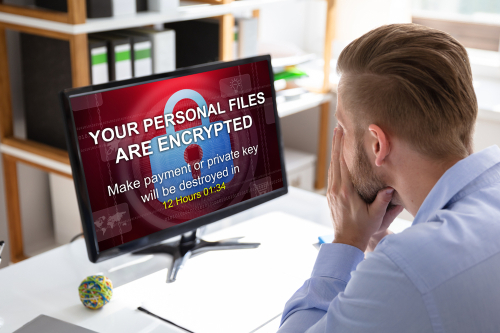 Cybersecurity experts estimate that there is a ransomware attack every 11 seconds. This makes it a challenge to individuals, businesses, and even governments.
 You may or may not have heard of the 50/30/20 budgeting rule, but it’s a good one – one that will help make organizing your finances a lot simpler. The basic idea is to divide up your after-tax income and allocate it to spend this way: 50 percent on your needs, 30 percent on wants and 20 percent on savings. Below are more details on how to do this.
 If you really want to make impact in your new grad’s life, make an investment in his or her future with a 529 College Savings account. There are two versions: an investment account and a prepaid account. Assuming you are opening an account now and don’t have time for investment growth, you may need to fund it with a significant chunk of money for it to be useful. The savings plan is good for building an investment balance over time, including while the student is in college. On the other hand, the prepaid option is a good way to reinvest a windfall – such as an inheritance or proceeds from the sale of property.