Liquidity refers to a business’s ability to convert its short-term assets or securities into cash quickly to meet its short-term financial obligations or pay bills due within the next 12 months. Naturally, cash is the most liquid. This is different than solvency, which refers to the ability of a business to satisfy its long-term bills.
It’s important to distinguish between market liquidity and accounting liquidity. Market liquidity implies how a nation’s stock market or real estate market functions, specifically if there are enough buyers and sellers. The closer the bid and ask prices are, the greater the level of liquidity that exists. The greater the liquidity, the easier it is for participants to transact.
Determining the liquidity of a business helps investors see how a company balances its cash. This demonstrates how well a company manages its ability to pay bills versus being able to direct money for retained earnings, dividends, reinvesting in its business, or for acquisitions. When it comes to measuring liquidity, there are three ratios that estimate how liquid a business is: current, quick, and cash ratios.
Current Ratio
This compares current assets to current liabilities. It’s expressed as follows:
Current Ratio = Current Assets / Current Liabilities = $20,000 / $5,000 = 4
This means for every $1 in outstanding bills, the company has $4 in cash available to satisfy those debts. While each industry has a unique target ratio, a range of 1.5 to 2.5 is seen as a healthy measure.
Quick Ratio (Acid-Test Ratio)
This calculation removes inventories and some short-term assets that are more illiquid than incoming payments expected to be paid within a reasonable short-term time frame, such as accounts receivable. It’s expressed as:
Quick Ratio = (Cash and Cash Equivalents + Short-Term Investments + Accounts Receivable) / Current Liabilities
If the resulting number is less than 1, this could indicate the business is facing an inability to pay its short-term bills.
Cash Ratio
This looks at how well a company can pay off short-term debt with its cash and similar financial assets that can be converted to cash instantaneously. It’s expressed as follows:
Cash Ratio = Cash and Cash Equivalents / Current Liabilities = $10,000 / $3,000 = 3.33
With a 3.33 ratio, this example shows the company is in good shape liquidity-wise. A general reference of at least 0.5 (but higher shows better financial health) is recommended.
Interpreting Results
Once the results are calculated, businesses can analyze their findings and see the financial position of their company. For example, if they are looking for financing, lenders take into account these ratios to determine a level of confidence in debt repayment. If a company is looking for investors, savvy investors can determine how competitive the company is against its industry/sector competitors.
Internal Company Reflection
Depending on the company’s circumstances, changes might need to be implemented immediately and over the long term. A business may need to look at operating costs to cut costs. Cash flow projections are recommended to see how the company is doing on its restructuring and cost-cutting efforts.
When it comes to managing liquidity, using these ratios along with short- and long-term planning to improve a company’s financial and liquidity position can make a business more attractive to lenders and investors and more resistant to economic downturns.
How to Look at Liquidity through an Accounting Lens
May 1, 2023 · Accounting News, Blog
⏱ 3 min read
Liquidity refers to a business’s ability to convert its short-term assets or securities into cash quickly to meet its short-term financial obligations or pay bills due within the next 12 months. Naturally, cash is the most liquid. This is different than solvency, which refers to the ability of a business to satisfy its long-term bills.
It’s important to distinguish between market liquidity and accounting liquidity. Market liquidity implies how a nation’s stock market or real estate market functions, specifically if there are enough buyers and sellers. The closer the bid and ask prices are, the greater the level of liquidity that exists. The greater the liquidity, the easier it is for participants to transact.
Determining the liquidity of a business helps investors see how a company balances its cash. This demonstrates how well a company manages its ability to pay bills versus being able to direct money for retained earnings, dividends, reinvesting in its business, or for acquisitions. When it comes to measuring liquidity, there are three ratios that estimate how liquid a business is: current, quick, and cash ratios.
Current Ratio
This compares current assets to current liabilities. It’s expressed as follows:
Current Ratio = Current Assets / Current Liabilities = $20,000 / $5,000 = 4
This means for every $1 in outstanding bills, the company has $4 in cash available to satisfy those debts. While each industry has a unique target ratio, a range of 1.5 to 2.5 is seen as a healthy measure.
Quick Ratio (Acid-Test Ratio)
This calculation removes inventories and some short-term assets that are more illiquid than incoming payments expected to be paid within a reasonable short-term time frame, such as accounts receivable. It’s expressed as:
Quick Ratio = (Cash and Cash Equivalents + Short-Term Investments + Accounts Receivable) / Current Liabilities
If the resulting number is less than 1, this could indicate the business is facing an inability to pay its short-term bills.
Cash Ratio
This looks at how well a company can pay off short-term debt with its cash and similar financial assets that can be converted to cash instantaneously. It’s expressed as follows:
Cash Ratio = Cash and Cash Equivalents / Current Liabilities = $10,000 / $3,000 = 3.33
With a 3.33 ratio, this example shows the company is in good shape liquidity-wise. A general reference of at least 0.5 (but higher shows better financial health) is recommended.
Interpreting Results
Once the results are calculated, businesses can analyze their findings and see the financial position of their company. For example, if they are looking for financing, lenders take into account these ratios to determine a level of confidence in debt repayment. If a company is looking for investors, savvy investors can determine how competitive the company is against its industry/sector competitors.
Internal Company Reflection
Depending on the company’s circumstances, changes might need to be implemented immediately and over the long term. A business may need to look at operating costs to cut costs. Cash flow projections are recommended to see how the company is doing on its restructuring and cost-cutting efforts.
When it comes to managing liquidity, using these ratios along with short- and long-term planning to improve a company’s financial and liquidity position can make a business more attractive to lenders and investors and more resistant to economic downturns.
Disclaimer
These articles provide general information on tax, accounting, and financial topics for small businesses and individuals. They are educational in nature and are not specific legal, accounting, financial, tax, or other professional advice, and should not be relied upon as such. This content was prepared by Service2Client and may have been reviewed or edited by the website owner for accuracy and compliance. Look for a trust mark below for verification details. No representation is made that any approach described will achieve a particular result, and no regulatory or professional body has reviewed or endorsed this content. Because each situation is different, readers should consult a qualified professional about their specific circumstances before acting. Images accompanying these articles are protected by copyright and may not be copied or reused.
Blockchain has the promise to revolutionize the way businesses and their accountants keep track of their financial records. When it comes to audit evidence, blockchain may be able to give organizations more efficient ways to bring financial data into universal conformity; help businesses present relevant financial data in an open manner; and interpret and select data effectively. Blockchain is a digitally distributed ledger that captures transactions conducted among parties within a network. It’s a peer-to-peer, internet-based archive that records all transactions since its creation and maintains proof of these transactions.
Each participant is a node on the mutual database connected to the blockchain, with every user maintaining an identical copy of the ledger. Each entry is a transaction that represents an exchange of value between participants. Along with featuring near real-time transaction settlement, which speeds up payment completion between parties, properly designed blockchains create unchangeable transaction records. This can help auditors investigate transactions as they occur in real-time.
And as blockchain is adopted more and more, auditors will be able to obtain data from the blockchain; however, it’s important to view it all with a skeptical eye. Transactions may be fraudulent or prone to error. Viewers must be even more skeptical if the blockchain is controlled by an entity other than the entity being audited.
Using Bitcoin as an example, the transfer of assets is recorded on the blockchain. Accountants can use blockchain to look at transactions one by one. However, instead of focusing on bookkeeping tasks, for example, accountants’ roles are expected to evolve into higher-level tasks requiring more judgment. As blockchain adoption increases, responsibilities like bookkeeping and reconciliation will require less of an accountant’s time, permitting them to work on more analytical tasks like transaction classification and valuations.
Determining depreciation and the resulting salvage value of an asset when its useful life is exhausted is one example of a transaction that might need some investigating by an auditor.
The Internal Revenue Service mandates businesses judge a fair salvage value, but it’s just that – an estimate. Based on the asset’s usage and expected service time frame, the equipment could have scrap value contingent on metal content or technology that might become obsolete, rendering it of little to no value. Since it’s so subjective, this can impact a company’s accounting and resulting profitability and income tax obligations, requiring careful judgment.
If the salvage value is determined to be too high, it will reduce the depreciation for the business. If it’s too low, depreciation would be factored in too much, and the company’s net earnings will be less than expected. As part of determining the salvage value, businesses and those who audit a business’ financial statements need to exercise judgment when looking into transactions, whether it’s on the blockchain or another type of ledger.
As blockchain evolves, businesses that take advantage of this technology can leverage its efficiencies to reduce the need for rote work and focus on the substance of accurately reporting transactions and not the rudimentary movement of data between parties.
How Blockchain Could Impact Accounting and Auditing
April 1, 2023 · Accounting News, Blog
⏱ 3 min read
Blockchain has the promise to revolutionize the way businesses and their accountants keep track of their financial records. When it comes to audit evidence, blockchain may be able to give organizations more efficient ways to bring financial data into universal conformity; help businesses present relevant financial data in an open manner; and interpret and select data effectively. Blockchain is a digitally distributed ledger that captures transactions conducted among parties within a network. It’s a peer-to-peer, internet-based archive that records all transactions since its creation and maintains proof of these transactions.
Each participant is a node on the mutual database connected to the blockchain, with every user maintaining an identical copy of the ledger. Each entry is a transaction that represents an exchange of value between participants. Along with featuring near real-time transaction settlement, which speeds up payment completion between parties, properly designed blockchains create unchangeable transaction records. This can help auditors investigate transactions as they occur in real-time.
And as blockchain is adopted more and more, auditors will be able to obtain data from the blockchain; however, it’s important to view it all with a skeptical eye. Transactions may be fraudulent or prone to error. Viewers must be even more skeptical if the blockchain is controlled by an entity other than the entity being audited.
Using Bitcoin as an example, the transfer of assets is recorded on the blockchain. Accountants can use blockchain to look at transactions one by one. However, instead of focusing on bookkeeping tasks, for example, accountants’ roles are expected to evolve into higher-level tasks requiring more judgment. As blockchain adoption increases, responsibilities like bookkeeping and reconciliation will require less of an accountant’s time, permitting them to work on more analytical tasks like transaction classification and valuations.
Determining depreciation and the resulting salvage value of an asset when its useful life is exhausted is one example of a transaction that might need some investigating by an auditor.
The Internal Revenue Service mandates businesses judge a fair salvage value, but it’s just that – an estimate. Based on the asset’s usage and expected service time frame, the equipment could have scrap value contingent on metal content or technology that might become obsolete, rendering it of little to no value. Since it’s so subjective, this can impact a company’s accounting and resulting profitability and income tax obligations, requiring careful judgment.
If the salvage value is determined to be too high, it will reduce the depreciation for the business. If it’s too low, depreciation would be factored in too much, and the company’s net earnings will be less than expected. As part of determining the salvage value, businesses and those who audit a business’ financial statements need to exercise judgment when looking into transactions, whether it’s on the blockchain or another type of ledger.
As blockchain evolves, businesses that take advantage of this technology can leverage its efficiencies to reduce the need for rote work and focus on the substance of accurately reporting transactions and not the rudimentary movement of data between parties.
Disclaimer
These articles provide general information on tax, accounting, and financial topics for small businesses and individuals. They are educational in nature and are not specific legal, accounting, financial, tax, or other professional advice, and should not be relied upon as such. This content was prepared by Service2Client and may have been reviewed or edited by the website owner for accuracy and compliance. Look for a trust mark below for verification details. No representation is made that any approach described will achieve a particular result, and no regulatory or professional body has reviewed or endorsed this content. Because each situation is different, readers should consult a qualified professional about their specific circumstances before acting. Images accompanying these articles are protected by copyright and may not be copied or reused.
With the world seeing inflation, the Internal Revenue Service (IRS) has issued guidance for tax filers. Based upon an October 2022 IRS News Release, there have been more than 60 adjustments in conjunction with its yearly inflation alterations. Highlights of inflation adjustments include increasing the married couples’ standard deduction for 2023 by $1,800 to $27,700. Another highlight of inflation adjustments includes raising the threshold for the highest tax rate of 37 percent for individual taxpayers to an income higher than $578,125 or $693,750 if two married individuals are filing jointly.
However, there are certain things that are not subject to indexing for inflation. This includes permitting unlimited itemized deductions and maintaining the personal exemption at zero for the 2023 tax year – codified into law by the Tax Cuts and Jobs Act. The modified adjusted gross income (MAGI) amount used by joint filers to determine the reduction in the Lifetime Learning Credit (§25A(d)(2)) is not inflation adjusted for the taxable year (post-Dec. 31, 2020).
When it comes to the topic of inflation, while the United States experienced monthly inflation as high as 9.1 percent in 2022, there are considerations for economies and businesses operating in foreign jurisdictions where the rate of inflation is much higher for sustained periods of time (multiple years).
The International Financial Reporting Standards (IFRS), via International Accounting Standard IAS 29, explains how companies navigate financial statements if their primary currency used for commerce is the same legal tender experiencing hyperinflation in a particular economy, generally within a specific country. It also may be referred to as functional currency. IFRS generally looks at wages, pricing, and interest correlated with a price index increasing by at least 100 percent in aggregate over 36 months when determining if a company’s financial statements must be amended for economies with hyperinflation.
With PWC considering Argentina a hyperinflationary economy to entities whose functional currency is the Argentine peso, it’s considered so due to IAS 29. Specifically, IAS 29.3 details criteria when evaluating if indeed, an economy and its currency is experiencing hyperinflation. Select criteria include:
Residents of the subject jurisdiction attempting to preserve wealth via non-monetary assets or stable non-native currencies.
Business is indexed and transacted in non-native currencies with far lower rates of inflation.
When credit is the means of a transaction, it is priced at levels factoring in the expected debasement of the subject currency according to the time frame of the borrowing.
As of the 2019 publication, based on the 36-month lookback measuring inflation gauges and the IAS 29 evaluation criteria indicating hyperinflation, PWC determined the Argentina economy to be hyperinflationary. And according to IAS 29 standards, if a company’s primary legal tender it uses for commerce is the same as a country experiencing hyperinflation economic conditions, it must adhere to specific financial reporting standards.
Financial statements in hyperinflationary environments, according to IAS 29, that factor in relative details are required to be reported in the functional currency in up-to-date figures at the conclusion of the coverage time frame. When it comes to revising to current units of currency, businesses must use a general price index to account for inflationary changes. In addition to requiring a distinct declaration for a required business’ net monetary position, it must be reflected as proceeds or a decline in profits for the defined time frame.
The business must adhere to full disclosure, which includes transparency whereby financial statements have been restated, what price index the business relied upon to adjust for currency inflation considerations, and if the financial statements have been put together via historical or original costs versus current or fair value costs. The remaining requirement is that business results must assess its financial outcome and situation in its functional currency. Although according to IAS 21 guidelines, once financial results are restated, the restated functional currency can then be read in alternate forms of currency.
When it comes to inflation and the jurisdiction it occurs in, knowing the levels is important to help businesses account for times of normal and abnormally high levels.
Noteworthy 2023 IRS Inflation Tax Changes and Accounting Considerations for High Inflation
March 1, 2023 · Accounting News, Blog
⏱ 4 min read
With the world seeing inflation, the Internal Revenue Service (IRS) has issued guidance for tax filers. Based upon an October 2022 IRS News Release, there have been more than 60 adjustments in conjunction with its yearly inflation alterations. Highlights of inflation adjustments include increasing the married couples’ standard deduction for 2023 by $1,800 to $27,700. Another highlight of inflation adjustments includes raising the threshold for the highest tax rate of 37 percent for individual taxpayers to an income higher than $578,125 or $693,750 if two married individuals are filing jointly.
However, there are certain things that are not subject to indexing for inflation. This includes permitting unlimited itemized deductions and maintaining the personal exemption at zero for the 2023 tax year – codified into law by the Tax Cuts and Jobs Act. The modified adjusted gross income (MAGI) amount used by joint filers to determine the reduction in the Lifetime Learning Credit (§25A(d)(2)) is not inflation adjusted for the taxable year (post-Dec. 31, 2020).
When it comes to the topic of inflation, while the United States experienced monthly inflation as high as 9.1 percent in 2022, there are considerations for economies and businesses operating in foreign jurisdictions where the rate of inflation is much higher for sustained periods of time (multiple years).
The International Financial Reporting Standards (IFRS), via International Accounting Standard IAS 29, explains how companies navigate financial statements if their primary currency used for commerce is the same legal tender experiencing hyperinflation in a particular economy, generally within a specific country. It also may be referred to as functional currency. IFRS generally looks at wages, pricing, and interest correlated with a price index increasing by at least 100 percent in aggregate over 36 months when determining if a company’s financial statements must be amended for economies with hyperinflation.
With PWC considering Argentina a hyperinflationary economy to entities whose functional currency is the Argentine peso, it’s considered so due to IAS 29. Specifically, IAS 29.3 details criteria when evaluating if indeed, an economy and its currency is experiencing hyperinflation. Select criteria include:
Residents of the subject jurisdiction attempting to preserve wealth via non-monetary assets or stable non-native currencies.
Business is indexed and transacted in non-native currencies with far lower rates of inflation.
When credit is the means of a transaction, it is priced at levels factoring in the expected debasement of the subject currency according to the time frame of the borrowing.
As of the 2019 publication, based on the 36-month lookback measuring inflation gauges and the IAS 29 evaluation criteria indicating hyperinflation, PWC determined the Argentina economy to be hyperinflationary. And according to IAS 29 standards, if a company’s primary legal tender it uses for commerce is the same as a country experiencing hyperinflation economic conditions, it must adhere to specific financial reporting standards.
Financial statements in hyperinflationary environments, according to IAS 29, that factor in relative details are required to be reported in the functional currency in up-to-date figures at the conclusion of the coverage time frame. When it comes to revising to current units of currency, businesses must use a general price index to account for inflationary changes. In addition to requiring a distinct declaration for a required business’ net monetary position, it must be reflected as proceeds or a decline in profits for the defined time frame.
The business must adhere to full disclosure, which includes transparency whereby financial statements have been restated, what price index the business relied upon to adjust for currency inflation considerations, and if the financial statements have been put together via historical or original costs versus current or fair value costs. The remaining requirement is that business results must assess its financial outcome and situation in its functional currency. Although according to IAS 21 guidelines, once financial results are restated, the restated functional currency can then be read in alternate forms of currency.
When it comes to inflation and the jurisdiction it occurs in, knowing the levels is important to help businesses account for times of normal and abnormally high levels.
Disclaimer
These articles provide general information on tax, accounting, and financial topics for small businesses and individuals. They are educational in nature and are not specific legal, accounting, financial, tax, or other professional advice, and should not be relied upon as such. This content was prepared by Service2Client and may have been reviewed or edited by the website owner for accuracy and compliance. Look for a trust mark below for verification details. No representation is made that any approach described will achieve a particular result, and no regulatory or professional body has reviewed or endorsed this content. Because each situation is different, readers should consult a qualified professional about their specific circumstances before acting. Images accompanying these articles are protected by copyright and may not be copied or reused.
There has been updated guidance on how and when tax filers must file and report Form 1099-K, Payment Card, and Third-Party Network Transactions in 2022 and 2023. According to the December IRS release, new income and transaction reporting requirements for so-called third-party settlement organizations (TPSOs) have been delayed for one year.
A TPSO, according to the IRS, facilitates payments to “participating payees” of the platform. This type of organization can be an online marketplace, an app, or payment card processors that are used to facilitate commerce transactions. It could be a digital marketplace that holds auctions or items for sale that functions as a nexus between those selling items and those buying the items. The TPSO also is tasked with reporting the total amount of transactions to the IRS and the payee or individual who receive remittance(s) from the TPSO in conjunction with selling an item on an auction website or similar platform, based on the new $600 tax calendar year threshold.
The previous reporting threshold (which is in effect for filing taxes for the 2022 calendar year) for TPSOs to be mandated to report to the IRS was:
More than 200 transactions occurring annually
More than $20,000 in sales annually
Originally set to take effect for the 2022 tax calendar year and mandated in the American Rescue Plan (ARP) of 2021, the new reporting threshold is triggered when more than $600 is earned in aggregate for a single tax year, without regard to the number of transactions per calendar year. It will take effect starting Jan. 1, 2023.
When it comes to calculating tax obligations, it’s important to notice how differences exist between gains and losses. For example, the first step is to determine whether there’s been a sale or a loss. If there’s a gain, it must be reported on Schedule D and Form 8949.
Depending on the outcome of the sale (a gain or loss), the IRS gives guidance accordingly. If it’s a gain, when it comes to accounting for fees paid in conjunction with the item’s listing, the selling expenses should be reported as “a downward adjustment” on either Form 8949 or Schedule D. Another consideration on sales of personal items is determining whether it’s a short- or long-term gain. Items sold that are held for more than one year are recognized as long-term. If the item sold has been held one year or less, the capital gain is recognized as short-term. But when it comes to losses, the IRS doesn’t permit filers’ deductions.
There is one important distinction between online sellers and “personal transactions” with the 1099-K Form. When items are sold for a profit, the intent of the 1099-K Form is to ensure income earned is reported to the IRS (and state revenue agency). However, if family members or friends are using such “third-party payment platforms” to split a purchase (for a meal, entertainment, ride-share, reimbursing a bill payment, etc.), such transactions are excluded because they qualify as “personal transactions” under IRS guidance.
With the guidance for smaller transactions evolving, which will undoubtedly impact more and more filers, individuals and those professionals helping them will undoubtedly have to keep an eye on future changes to 2023’s Tax Code.
Understanding the Latest Modifications to Form 1099-K Reporting Requirements
February 1, 2023 · Accounting News, Blog
⏱ 3 min read
There has been updated guidance on how and when tax filers must file and report Form 1099-K, Payment Card, and Third-Party Network Transactions in 2022 and 2023. According to the December IRS release, new income and transaction reporting requirements for so-called third-party settlement organizations (TPSOs) have been delayed for one year.
A TPSO, according to the IRS, facilitates payments to “participating payees” of the platform. This type of organization can be an online marketplace, an app, or payment card processors that are used to facilitate commerce transactions. It could be a digital marketplace that holds auctions or items for sale that functions as a nexus between those selling items and those buying the items. The TPSO also is tasked with reporting the total amount of transactions to the IRS and the payee or individual who receive remittance(s) from the TPSO in conjunction with selling an item on an auction website or similar platform, based on the new $600 tax calendar year threshold.
The previous reporting threshold (which is in effect for filing taxes for the 2022 calendar year) for TPSOs to be mandated to report to the IRS was:
More than 200 transactions occurring annually
More than $20,000 in sales annually
Originally set to take effect for the 2022 tax calendar year and mandated in the American Rescue Plan (ARP) of 2021, the new reporting threshold is triggered when more than $600 is earned in aggregate for a single tax year, without regard to the number of transactions per calendar year. It will take effect starting Jan. 1, 2023.
When it comes to calculating tax obligations, it’s important to notice how differences exist between gains and losses. For example, the first step is to determine whether there’s been a sale or a loss. If there’s a gain, it must be reported on Schedule D and Form 8949.
Depending on the outcome of the sale (a gain or loss), the IRS gives guidance accordingly. If it’s a gain, when it comes to accounting for fees paid in conjunction with the item’s listing, the selling expenses should be reported as “a downward adjustment” on either Form 8949 or Schedule D. Another consideration on sales of personal items is determining whether it’s a short- or long-term gain. Items sold that are held for more than one year are recognized as long-term. If the item sold has been held one year or less, the capital gain is recognized as short-term. But when it comes to losses, the IRS doesn’t permit filers’ deductions.
There is one important distinction between online sellers and “personal transactions” with the 1099-K Form. When items are sold for a profit, the intent of the 1099-K Form is to ensure income earned is reported to the IRS (and state revenue agency). However, if family members or friends are using such “third-party payment platforms” to split a purchase (for a meal, entertainment, ride-share, reimbursing a bill payment, etc.), such transactions are excluded because they qualify as “personal transactions” under IRS guidance.
With the guidance for smaller transactions evolving, which will undoubtedly impact more and more filers, individuals and those professionals helping them will undoubtedly have to keep an eye on future changes to 2023’s Tax Code.
Disclaimer
These articles provide general information on tax, accounting, and financial topics for small businesses and individuals. They are educational in nature and are not specific legal, accounting, financial, tax, or other professional advice, and should not be relied upon as such. This content was prepared by Service2Client and may have been reviewed or edited by the website owner for accuracy and compliance. Look for a trust mark below for verification details. No representation is made that any approach described will achieve a particular result, and no regulatory or professional body has reviewed or endorsed this content. Because each situation is different, readers should consult a qualified professional about their specific circumstances before acting. Images accompanying these articles are protected by copyright and may not be copied or reused.
According to the Harvard Business Review, mark-to-market accounting was what some attributed to the Great Financial Crisis of 2008. Economists such as Brian Wesbury and Steve Forbes attacked the so-called “fair value accounting” because it created further instability, leading to the eventual crash of the markets that prompted the Federal Reserve to implement the “Fed Put.” Understanding how mark-to-market asset valuation works is an essential piece of information for businesses to make the most of their accounting.
Mark-To-Market Accounting vs. Historical Cost Accounting
Mark-to-market, also known as fair value accounting, measures the current market value of an asset. Historical cost accounting values assets according to their original purchase price.
Mark-to-market is a method to assess the fair value of assets if they were sold at current market conditions with liabilities removed from the business’ obligations. It’s generally a fair assessment in times of normal market functions; but during times of volatility, it can provide a skewed assessment of value.
When businesses prepare their financial statements for a particular fiscal year and assess fair value for assets, the business would update its balance sheet with the value they would receive selling assets at current market conditions. This is opposed to what the business bought the assets for, or the asset’s historical or original purchase price.
This is especially true when it comes to trading in the markets, such as futures contracts. Futures contracts are marked to market on a daily basis at the end of the trading day. Depending on how the commodity traded intraday, short and long contract values are added to or subtracted from their starting basis, respectively.
Traded Assets and Bad Debts
When it comes to “traded assets,” HBR gives an example of when an asset is to be marked to market every quarter. If a traded asset’s fair market value falls, it lowers the equity on its balance sheet and migrates via its income statement as a loss. For example, if a bank buys a bond for $2 million, then it falls to $1.8 million when the subsequent quarter closes (assuming the bond is still held), the business’ balance sheet will need to be adjusted (excluding any potential tax impacts). The balance sheet should reflect a $200,000 decrease in assets on the left side and a $200,000 decrease in equity. It will also be included on the bank’s income statement, reflecting a $200,000 pretax quarterly loss.
Institutions that provide loans will inevitably see a certain percentage go bad within a fiscal year. After accounting for the actual percentage of so-called uncollectable loans, they will have to re-evaluate such assets through the use of a contra account. This also can apply when companies offer pre-payment discounts to clients to encourage fast collection of accounts receivables (AR). Similarly, such assets will have to be marked down to lower values via a contra account.
Conclusion
When it comes to valuing assets, businesses that understand the nuances of how accounting standards treat different types of assets will be better prepared to navigate their own tax and accounting needs.
How Mark-to-Market Works in Accounting
January 1, 2023 · Accounting News, Blog
⏱ 3 min read
According to the Harvard Business Review, mark-to-market accounting was what some attributed to the Great Financial Crisis of 2008. Economists such as Brian Wesbury and Steve Forbes attacked the so-called “fair value accounting” because it created further instability, leading to the eventual crash of the markets that prompted the Federal Reserve to implement the “Fed Put.” Understanding how mark-to-market asset valuation works is an essential piece of information for businesses to make the most of their accounting.
Mark-To-Market Accounting vs. Historical Cost Accounting
Mark-to-market, also known as fair value accounting, measures the current market value of an asset. Historical cost accounting values assets according to their original purchase price.
Mark-to-market is a method to assess the fair value of assets if they were sold at current market conditions with liabilities removed from the business’ obligations. It’s generally a fair assessment in times of normal market functions; but during times of volatility, it can provide a skewed assessment of value.
When businesses prepare their financial statements for a particular fiscal year and assess fair value for assets, the business would update its balance sheet with the value they would receive selling assets at current market conditions. This is opposed to what the business bought the assets for, or the asset’s historical or original purchase price.
This is especially true when it comes to trading in the markets, such as futures contracts. Futures contracts are marked to market on a daily basis at the end of the trading day. Depending on how the commodity traded intraday, short and long contract values are added to or subtracted from their starting basis, respectively.
Traded Assets and Bad Debts
When it comes to “traded assets,” HBR gives an example of when an asset is to be marked to market every quarter. If a traded asset’s fair market value falls, it lowers the equity on its balance sheet and migrates via its income statement as a loss. For example, if a bank buys a bond for $2 million, then it falls to $1.8 million when the subsequent quarter closes (assuming the bond is still held), the business’ balance sheet will need to be adjusted (excluding any potential tax impacts). The balance sheet should reflect a $200,000 decrease in assets on the left side and a $200,000 decrease in equity. It will also be included on the bank’s income statement, reflecting a $200,000 pretax quarterly loss.
Institutions that provide loans will inevitably see a certain percentage go bad within a fiscal year. After accounting for the actual percentage of so-called uncollectable loans, they will have to re-evaluate such assets through the use of a contra account. This also can apply when companies offer pre-payment discounts to clients to encourage fast collection of accounts receivables (AR). Similarly, such assets will have to be marked down to lower values via a contra account.
Conclusion
When it comes to valuing assets, businesses that understand the nuances of how accounting standards treat different types of assets will be better prepared to navigate their own tax and accounting needs.
Disclaimer
These articles provide general information on tax, accounting, and financial topics for small businesses and individuals. They are educational in nature and are not specific legal, accounting, financial, tax, or other professional advice, and should not be relied upon as such. This content was prepared by Service2Client and may have been reviewed or edited by the website owner for accuracy and compliance. Look for a trust mark below for verification details. No representation is made that any approach described will achieve a particular result, and no regulatory or professional body has reviewed or endorsed this content. Because each situation is different, readers should consult a qualified professional about their specific circumstances before acting. Images accompanying these articles are protected by copyright and may not be copied or reused.
By 2021, there were 20,000 warehouses in the United States and growing, according to the United States Bureau of Labor Statistics (BLS). With more warehouses expected to pop up in 2022 and beyond, one important consideration for businesses of all sizes is to keep track of their inventories. With different tracking and valuation methods, it’s important to understand how they work and what they can tell business owners.
Before inventory can be valued, it’s imperative to understand how it can be expressed mathematically:
Ending Inventory = Starting Inventory + Net Acquisitions – Cost of Goods Sold (COGS)
Now that inventory is better defined, understanding different approaches to inventory valuation is essential to keeping track. The first type of inventory valuation is referred to as FIFO or First In, First Out. This means that businesses sell their earliest produced inventory first and new inventory last.
Assume a company produces 500 widgets on day 1, costing $2 per widget. The same company then produces 500 widgets on day 2, costing $2.50 per widget. This method says that if 500 widgets are sold over the next week, the cost of goods sold (COGS), derived from the Income Statement, is $2 per widget because that’s how much the first 500 widgets cost to produce for inventory. The remaining widgets, 500 widgets at a cost of $2.50 per unit, would be accounted for under the ending inventory on the balance sheet.
One consideration, especially in an inflationary environment, for remaining inventory on the balance sheet is that a business might see a higher tax obligation. This is likely to occur because of higher net income due to a lower cost basis from the older inventory when assessing the COGS. Newer, more expensive inventory will naturally lead to a lower tax basis, especially if inflation falls and the retail cost is mitigated from decreased demand.
The next option is referred to as LIFO – or Last In, First Out. This means that businesses sell what they’ve produced first, then move on to the older inventory. If any inventory is left at the end of the accounting time-frame, it’s accounted for accordingly. Assuming the same 500 widgets were sold in the particular accounting period, the time-frame’s COGS would be $2.50 per widget, with the 500 widgets left over in inventory valued at the $2 per widget cost.
One important caveat to this type of valuation is with regard to inventory that’s perishable or becomes obsolete quickly (cell phones, televisions, etc.). It is not an effective method because the product will either spoil or become worth next to nothing due to highly competitive industries. For this approach, using the most recently produced goods first would lend their COGS basis to be higher. In one respect, the higher COGS basis can lower profits, but can also offset taxes due to the same effect. The third type of inventory valuation is referred to as Average Cost. This method is a way to blend LIFO and FIFO, which takes the average of inventory across all production and storage timelines. This approach averages costs in proportion to the amount of widgets produced in each run, then calculates the mean cost to determine the ending inventory and COGS figures.
[(500 x $2) + (500 x $2.50)]/1,000 = ($1,000 + $1,250)/1,000 = $2,250/1,000 = $2.25
Therefore, the average cost for inventory using this method would be $2.25 per widget.
With different types of inventory valuation explained, there are considerations that businesses should be mindful for each approach. This can make a difference to those running the company and for potential investors and lenders contemplating investing in or loaning the company money.
Inventory Valuation: How Companies Can Calculate It
December 1, 2022 · Accounting News, Blog
⏱ 3 min read
By 2021, there were 20,000 warehouses in the United States and growing, according to the United States Bureau of Labor Statistics (BLS). With more warehouses expected to pop up in 2022 and beyond, one important consideration for businesses of all sizes is to keep track of their inventories. With different tracking and valuation methods, it’s important to understand how they work and what they can tell business owners.
Before inventory can be valued, it’s imperative to understand how it can be expressed mathematically:
Ending Inventory = Starting Inventory + Net Acquisitions – Cost of Goods Sold (COGS)
Now that inventory is better defined, understanding different approaches to inventory valuation is essential to keeping track. The first type of inventory valuation is referred to as FIFO or First In, First Out. This means that businesses sell their earliest produced inventory first and new inventory last.
Assume a company produces 500 widgets on day 1, costing $2 per widget. The same company then produces 500 widgets on day 2, costing $2.50 per widget. This method says that if 500 widgets are sold over the next week, the cost of goods sold (COGS), derived from the Income Statement, is $2 per widget because that’s how much the first 500 widgets cost to produce for inventory. The remaining widgets, 500 widgets at a cost of $2.50 per unit, would be accounted for under the ending inventory on the balance sheet.
One consideration, especially in an inflationary environment, for remaining inventory on the balance sheet is that a business might see a higher tax obligation. This is likely to occur because of higher net income due to a lower cost basis from the older inventory when assessing the COGS. Newer, more expensive inventory will naturally lead to a lower tax basis, especially if inflation falls and the retail cost is mitigated from decreased demand.
The next option is referred to as LIFO – or Last In, First Out. This means that businesses sell what they’ve produced first, then move on to the older inventory. If any inventory is left at the end of the accounting time-frame, it’s accounted for accordingly. Assuming the same 500 widgets were sold in the particular accounting period, the time-frame’s COGS would be $2.50 per widget, with the 500 widgets left over in inventory valued at the $2 per widget cost.
One important caveat to this type of valuation is with regard to inventory that’s perishable or becomes obsolete quickly (cell phones, televisions, etc.). It is not an effective method because the product will either spoil or become worth next to nothing due to highly competitive industries. For this approach, using the most recently produced goods first would lend their COGS basis to be higher. In one respect, the higher COGS basis can lower profits, but can also offset taxes due to the same effect. The third type of inventory valuation is referred to as Average Cost. This method is a way to blend LIFO and FIFO, which takes the average of inventory across all production and storage timelines. This approach averages costs in proportion to the amount of widgets produced in each run, then calculates the mean cost to determine the ending inventory and COGS figures.
[(500 x $2) + (500 x $2.50)]/1,000 = ($1,000 + $1,250)/1,000 = $2,250/1,000 = $2.25
Therefore, the average cost for inventory using this method would be $2.25 per widget.
With different types of inventory valuation explained, there are considerations that businesses should be mindful for each approach. This can make a difference to those running the company and for potential investors and lenders contemplating investing in or loaning the company money.
Disclaimer
These articles provide general information on tax, accounting, and financial topics for small businesses and individuals. They are educational in nature and are not specific legal, accounting, financial, tax, or other professional advice, and should not be relied upon as such. This content was prepared by Service2Client and may have been reviewed or edited by the website owner for accuracy and compliance. Look for a trust mark below for verification details. No representation is made that any approach described will achieve a particular result, and no regulatory or professional body has reviewed or endorsed this content. Because each situation is different, readers should consult a qualified professional about their specific circumstances before acting. Images accompanying these articles are protected by copyright and may not be copied or reused.
Some businesses, especially publicly traded ones, may choose accrual accounting to reduce volatility in earnings, while start-ups or small businesses may choose to go with a cash basis accounting option. A poll conducted by the Journal of Accountancy on Topic 606 discovered that one in five respondents reported that one of the most common audit perils for their clients was the risk of evaluating “material misstatement” when it comes to recognizing revenue under Topic 606.
According to the Association of International Certified Professional Accountants (AICPA) and the Financial Accounting Standards Board’s (FASB) Accounting Standards Topic 606, proper revenue recognition involves following five steps. While each step requires exercising judgment, the following is a brief overview.
Step 1
When all the following criteria is satisfied in the first step to establish a contract with their client, an organization should follow the revenue recognition standard mandates when an agreement falls within such criteria.
All contract parties have agreed to the terms of the contract and are engaged in fulfilling their agreed-to commitments. All party’s rights are easily identifiable when it comes to goods/services to be exchanged. Payment is clearly described for the goods/services to be delivered. The recipient’s cash flows are expected to change based upon the contract’s deliverables. The organization that provides the product or service should have “a reasonable expectation” of receiving consideration from the customer and they have a reasonable expectation the customer is able and willing to provide such payment.
Step 2
The second step is to determine what each party of the contract must fulfill to satisfy their respective contractual obligations. This is what businesses pledge to customers and clients while delivering their unique product or service. This step is where each performance obligation should be identified as unique. If each performance obligation does not qualify as unique, based upon this standard, it must be packaged with other goods or services until it meets such criteria.
The FASB AICPA ASC 606 standards explains if both of the following apply, a good or service is considered “distinct:”
If the receiving party can receive a useful product or professional assistance by itself or in conjunction with related materials the client had pre-existing to the contract in question;
AND
The business’ contractual pledge to deliver the service or finished materials is individually distinguishable from additional pledges from the contract.
Step 3
The third step is to calculate the financial terms of the deal. This entails how much money the business anticipates receiving in return for delivering the goods or services, minus portions related to that of external organizations. This can include taxes businesses must collect for local, state or federal government agencies. Other examples of this include “variable consideration” – or how much consideration a company will receive, bearing in mind financial adjustments in conjunction with delivering their product or service. Businesses should estimate the impact of such variable costs and what they might be allowed while fulfilling their contractual obligations. Examples can include financial enticements, fines, reimbursements, price cuts, etc.
Step 4
The fourth step is to figure out how much it will cost parties to fulfill their responsibilities spelled out in the legal agreement. When attempting to recognize revenue according to Topic 606, if there’s multiple distinct responsibilities, the business is required to break down the price based on “each separate performance obligation in an amount” that is commensurate to an amount the business is expected to receive for each “separate performance obligation.” This means looking at each piece of the contract as a unique “performance obligation.”
When the transaction is subject to a discount or “variable consideration,” businesses may or may not assign the price concession or “variable consideration” to one or more performance obligations versus across the agreement’s full list of “performance obligations.” If the business offers markdowns of the goods or services, in addition to adjusting the “transaction prices,” there should be proportional and estimated calculations when it comes to recognizing revenue.
Step 5
The fifth step says that once a business has satisfied its “performance obligation” set out in the contract, revenue can be recognized. This occurs when the customer receives their contracted goods or services, which is when they have complete command of the property. This can be illustrated when the customer can increase their cash flow, use it as an asset to obtain financing, leverage pre-existing equipment or service delivery, etc.
When it comes to recognizing revenue under Topic 606, this is just the beginning of how businesses can analyze and interpret the many nuances of this accounting topic.
Dissecting the Revenue Recognition Principle
November 1, 2022 · Accounting News, Blog
⏱ 4 min read
Some businesses, especially publicly traded ones, may choose accrual accounting to reduce volatility in earnings, while start-ups or small businesses may choose to go with a cash basis accounting option. A poll conducted by the Journal of Accountancy on Topic 606 discovered that one in five respondents reported that one of the most common audit perils for their clients was the risk of evaluating “material misstatement” when it comes to recognizing revenue under Topic 606.
According to the Association of International Certified Professional Accountants (AICPA) and the Financial Accounting Standards Board’s (FASB) Accounting Standards Topic 606, proper revenue recognition involves following five steps. While each step requires exercising judgment, the following is a brief overview.
Step 1
When all the following criteria is satisfied in the first step to establish a contract with their client, an organization should follow the revenue recognition standard mandates when an agreement falls within such criteria.
All contract parties have agreed to the terms of the contract and are engaged in fulfilling their agreed-to commitments. All party’s rights are easily identifiable when it comes to goods/services to be exchanged. Payment is clearly described for the goods/services to be delivered. The recipient’s cash flows are expected to change based upon the contract’s deliverables. The organization that provides the product or service should have “a reasonable expectation” of receiving consideration from the customer and they have a reasonable expectation the customer is able and willing to provide such payment.
Step 2
The second step is to determine what each party of the contract must fulfill to satisfy their respective contractual obligations. This is what businesses pledge to customers and clients while delivering their unique product or service. This step is where each performance obligation should be identified as unique. If each performance obligation does not qualify as unique, based upon this standard, it must be packaged with other goods or services until it meets such criteria.
The FASB AICPA ASC 606 standards explains if both of the following apply, a good or service is considered “distinct:”
If the receiving party can receive a useful product or professional assistance by itself or in conjunction with related materials the client had pre-existing to the contract in question;
AND
The business’ contractual pledge to deliver the service or finished materials is individually distinguishable from additional pledges from the contract.
Step 3
The third step is to calculate the financial terms of the deal. This entails how much money the business anticipates receiving in return for delivering the goods or services, minus portions related to that of external organizations. This can include taxes businesses must collect for local, state or federal government agencies. Other examples of this include “variable consideration” – or how much consideration a company will receive, bearing in mind financial adjustments in conjunction with delivering their product or service. Businesses should estimate the impact of such variable costs and what they might be allowed while fulfilling their contractual obligations. Examples can include financial enticements, fines, reimbursements, price cuts, etc.
Step 4
The fourth step is to figure out how much it will cost parties to fulfill their responsibilities spelled out in the legal agreement. When attempting to recognize revenue according to Topic 606, if there’s multiple distinct responsibilities, the business is required to break down the price based on “each separate performance obligation in an amount” that is commensurate to an amount the business is expected to receive for each “separate performance obligation.” This means looking at each piece of the contract as a unique “performance obligation.”
When the transaction is subject to a discount or “variable consideration,” businesses may or may not assign the price concession or “variable consideration” to one or more performance obligations versus across the agreement’s full list of “performance obligations.” If the business offers markdowns of the goods or services, in addition to adjusting the “transaction prices,” there should be proportional and estimated calculations when it comes to recognizing revenue.
Step 5
The fifth step says that once a business has satisfied its “performance obligation” set out in the contract, revenue can be recognized. This occurs when the customer receives their contracted goods or services, which is when they have complete command of the property. This can be illustrated when the customer can increase their cash flow, use it as an asset to obtain financing, leverage pre-existing equipment or service delivery, etc.
When it comes to recognizing revenue under Topic 606, this is just the beginning of how businesses can analyze and interpret the many nuances of this accounting topic.
Disclaimer
These articles provide general information on tax, accounting, and financial topics for small businesses and individuals. They are educational in nature and are not specific legal, accounting, financial, tax, or other professional advice, and should not be relied upon as such. This content was prepared by Service2Client and may have been reviewed or edited by the website owner for accuracy and compliance. Look for a trust mark below for verification details. No representation is made that any approach described will achieve a particular result, and no regulatory or professional body has reviewed or endorsed this content. Because each situation is different, readers should consult a qualified professional about their specific circumstances before acting. Images accompanying these articles are protected by copyright and may not be copied or reused.
According to the Internal Revenue Service, the 2019 tax year saw more than 25 million partners comprising nearly four million tax returns filed by partnerships in 2019. With many concerns necessary for navigating the U.S. tax code, including filing annual returns, one important consideration for partnerships and their partners is how to calculate a tax liability. In order to determine how much they profit or lose on their investment, there must be an accurate calculation of adjusted cost basis via outside cost and inside cost basis.
According to the Internal Revenue Code (IRC), one aspect of Section 754 details how the tax basis of partnership assets are handled. When partnerships change or when there are changes in partnership interest, it helps to rebalance the basis of the business entity’s property. This entails defining and calculating both outside cost basis and inside cost basis.
Understanding Outside Cost Basis
Outside cost basis refers to what percentage of interest each partner owns in a partnership. For example, if three partners own a partnership and each partner contributes $200,000, this establishes their outside cost basis. Recording what each initial partner contributes to the partnership is essential to determine their tax basis, including whether they’ve established a loss or gain and therefore their tax obligations.
Understanding Inside Cost Basis
As the Internal Revenue explains it, “Inside basis refers to a partnership’s basis in its assets.” One way to look at it is if three partners bought an asset for $600,000, each contributing $200,000 (symbolizing their inside cost basis), their respective inside basis in that particular asset would be $200,000.
When to Consider a Section 754 Election
It’s important to distinguish that partnerships adding or selling partnership interests must consider how such changes impact owners’ tax basis. By making a Section 754 election, partnerships can adjust the cost basis for new partners to provide an accurate accounting of profits (or losses). Assume five partners contributed $200,000 to a partnership and bought an asset for $1 million. A year later, the asset appreciated to $1.3 million. The outside basis is $200,000 (per partner) and the inside basis is $1 million.
Assume the asset appreciates to $1.3 million and one of the original five partners wants to cash out and sell it to a new, independent partner for $260,000. The original partner must pay taxes on the appreciation of $60,000 when exiting the partnership. Assume three months later, the asset is sold at the same price of $1.3 million with no Section 754 election. The four original partners are faced with a taxable gain of $60,000 ($1.3 million selling price – $1 million inside basis) / 5 partners = $300,000 profit / 5 partners). However, despite the new partner’s outside basis of $260,000, they would face the same $60,000 tax liability.
However, if a partnership chose to elect their partnership to Section 754, the new partner’s tax basis is “stepped up” to $260,000 instead of the original partner’s basis of $200,000. The new partner’s inside cost basis will remain at $200,000, requiring no adjustment. However, the new partner now has an outside basis of $260,000 – the amount the partnership interest was sold for from the original partner to the new partner.
While each business arrangement is unique, for partnerships that see their assets regularly increase in value and experience frequent changes in partners, it could make sense to go with a Section 754 election.
How to Determine Partnership Basis, Inside and Out
October 1, 2022 · Accounting News, Blog
⏱ 3 min read
According to the Internal Revenue Service, the 2019 tax year saw more than 25 million partners comprising nearly four million tax returns filed by partnerships in 2019. With many concerns necessary for navigating the U.S. tax code, including filing annual returns, one important consideration for partnerships and their partners is how to calculate a tax liability. In order to determine how much they profit or lose on their investment, there must be an accurate calculation of adjusted cost basis via outside cost and inside cost basis.
According to the Internal Revenue Code (IRC), one aspect of Section 754 details how the tax basis of partnership assets are handled. When partnerships change or when there are changes in partnership interest, it helps to rebalance the basis of the business entity’s property. This entails defining and calculating both outside cost basis and inside cost basis.
Understanding Outside Cost Basis
Outside cost basis refers to what percentage of interest each partner owns in a partnership. For example, if three partners own a partnership and each partner contributes $200,000, this establishes their outside cost basis. Recording what each initial partner contributes to the partnership is essential to determine their tax basis, including whether they’ve established a loss or gain and therefore their tax obligations.
Understanding Inside Cost Basis
As the Internal Revenue explains it, “Inside basis refers to a partnership’s basis in its assets.” One way to look at it is if three partners bought an asset for $600,000, each contributing $200,000 (symbolizing their inside cost basis), their respective inside basis in that particular asset would be $200,000.
When to Consider a Section 754 Election
It’s important to distinguish that partnerships adding or selling partnership interests must consider how such changes impact owners’ tax basis. By making a Section 754 election, partnerships can adjust the cost basis for new partners to provide an accurate accounting of profits (or losses). Assume five partners contributed $200,000 to a partnership and bought an asset for $1 million. A year later, the asset appreciated to $1.3 million. The outside basis is $200,000 (per partner) and the inside basis is $1 million.
Assume the asset appreciates to $1.3 million and one of the original five partners wants to cash out and sell it to a new, independent partner for $260,000. The original partner must pay taxes on the appreciation of $60,000 when exiting the partnership. Assume three months later, the asset is sold at the same price of $1.3 million with no Section 754 election. The four original partners are faced with a taxable gain of $60,000 ($1.3 million selling price – $1 million inside basis) / 5 partners = $300,000 profit / 5 partners). However, despite the new partner’s outside basis of $260,000, they would face the same $60,000 tax liability.
However, if a partnership chose to elect their partnership to Section 754, the new partner’s tax basis is “stepped up” to $260,000 instead of the original partner’s basis of $200,000. The new partner’s inside cost basis will remain at $200,000, requiring no adjustment. However, the new partner now has an outside basis of $260,000 – the amount the partnership interest was sold for from the original partner to the new partner.
While each business arrangement is unique, for partnerships that see their assets regularly increase in value and experience frequent changes in partners, it could make sense to go with a Section 754 election.
Disclaimer
These articles provide general information on tax, accounting, and financial topics for small businesses and individuals. They are educational in nature and are not specific legal, accounting, financial, tax, or other professional advice, and should not be relied upon as such. This content was prepared by Service2Client and may have been reviewed or edited by the website owner for accuracy and compliance. Look for a trust mark below for verification details. No representation is made that any approach described will achieve a particular result, and no regulatory or professional body has reviewed or endorsed this content. Because each situation is different, readers should consult a qualified professional about their specific circumstances before acting. Images accompanying these articles are protected by copyright and may not be copied or reused.

 Liquidity refers to a business’s ability to convert its short-term assets or securities into cash quickly to meet its short-term financial obligations or pay bills due within the next 12 months. Naturally, cash is the most liquid. This is different than solvency, which refers to the ability of a business to satisfy its long-term bills.



 Blockchain has the promise to revolutionize the way businesses and their accountants keep track of their financial records. When it comes to audit evidence, blockchain may be able to give organizations more efficient ways to bring financial data into universal conformity; help businesses present relevant financial data in an open manner; and interpret and select data effectively. Blockchain is a digitally distributed ledger that captures transactions conducted among parties within a network. It’s a peer-to-peer, internet-based archive that records all transactions since its creation and maintains proof of these transactions.
  With the world seeing inflation, the Internal Revenue Service (IRS) has issued guidance for tax filers. Based upon an October 2022 IRS News Release, there have been more than 60 adjustments in conjunction with its yearly inflation alterations. Highlights of inflation adjustments include increasing the married couples’ standard deduction for 2023 by $1,800 to $27,700. Another highlight of inflation adjustments includes raising the threshold for the highest tax rate of 37 percent for individual taxpayers to an income higher than $578,125 or $693,750 if two married individuals are filing jointly.
 There has been updated guidance on how and when tax filers must file and report Form 1099-K, Payment Card, and Third-Party Network Transactions in 2022 and 2023. According to the December IRS release, new income and transaction reporting requirements for so-called third-party settlement organizations (TPSOs) have been delayed for one year.
 According to the Harvard Business Review, mark-to-market accounting was what some attributed to the Great Financial Crisis of 2008. Economists such as Brian Wesbury and Steve Forbes attacked the so-called “fair value accounting” because it created further instability, leading to the eventual crash of the markets that prompted the Federal Reserve to implement the “Fed Put.” Understanding how mark-to-market asset valuation works is an essential piece of information for businesses to make the most of their accounting.
 By 2021, there were 20,000 warehouses in the United States and growing, according to the United States Bureau of Labor Statistics (BLS). With more warehouses expected to pop up in 2022 and beyond, one important consideration for businesses of all sizes is to keep track of their inventories. With different tracking and valuation methods, it’s important to understand how they work and what they can tell business owners.
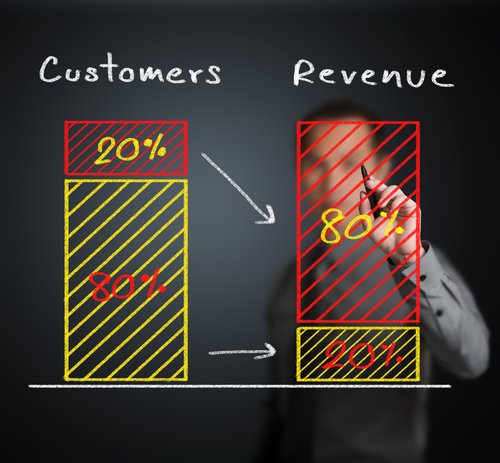 Some businesses, especially publicly traded ones, may choose accrual accounting to reduce volatility in earnings, while start-ups or small businesses may choose to go with a cash basis accounting option. A poll conducted by the Journal of Accountancy on Topic 606 discovered that one in five respondents reported that one of the most common audit perils for their clients was the risk of evaluating “material misstatement” when it comes to recognizing revenue under Topic 606.
 According to the Internal Revenue Service, the 2019 tax year saw more than 25 million partners comprising nearly four million tax returns filed by partnerships in 2019. With many concerns necessary for navigating the U.S. tax code, including filing annual returns, one important consideration for partnerships and their partners is how to calculate a tax liability. In order to determine how much they profit or lose on their investment, there must be an accurate calculation of adjusted cost basis via outside cost and inside cost basis.