Small businesses nationwide were already facing cash problems before the COVID-19 pandemic, according to McKinsey & Company. The firm found that almost one-third of small businesses were either seeing losses or making just enough to stay in business, but not realizing profitability.
Looking at businesses selling essential and non-essential items, McKinsey & Company reports that before satisfying their “interest, taxes, depreciation and amortization” obligations and accountings, they were facing challenging times. When it comes to selling essential items, such as food, business owners in this industry only had margins of 5 percent. For businesses selling non-essential items, this sector saw margins of less than 10 percent.
Restaurants provide an example of one way that outfits can pivot and increase margins by modifying their business models. While the Harvard Business Review (HBR) explains that restaurants have created additional seating near the kitchen to maintain social distancing, other examples of business model changes include increasing takeout, delivery, and catering as a way to increase sales for businesses with limited in-store dining.
While these ideas are simply expanding upon existing models to make up for lost in-dining experiences, HBR offers another way that a restaurant can better distinguish its establishment: developing a subscription model for customers. By slimming down menu choices for more efficient and faster preparation, restaurants could give customers the option to receive a certain number of meals per week or day for a fixed price.
Increasing Margins
While there are different types of margins for business owners to keep an eye on, an important one is a gross margin and how it impacts a business’ bottom line. Since the onset of COVID-19, businesses have been trying to survive as we work our way through the pandemic.
Regardless of the type of product being sold, by reducing the number of options available to customers, businesses can increase their margins by still meeting customer demand for necessities while also getting better prices from their suppliers through larger orders. This strategy also can be applied with contract manufacturers.
Re-engineering products and the ingredients that go into them can help to increase margins. For example, if there is a variety of pre-packaged foods that sell for the same price, but there are specialty or costlier ingredients like meat instead of vegetables, pausing selling pre-packed meals with meat can increase profit margins.
McKinsey & Company explains that small businesses are able to increase their hygiene and safety protocols by encouraging and implementing contactless experiences. Along with reducing person-to-person contact by using mobile apps, restaurants also have made delivery and takeout a bigger part of their sales.
With small businesses like boutiques and farmers, HBR illustrates how these entities can explore different sales channels. With stores facing shortages and an inability to stock essential goods – especially food items – small farmers saw an opportunity to reinvent their business models after restaurants and gourmet markets dropped purchases from them during the stay-at-home orders.
An investment in an online presence, shipping and logistics, and sustained sales and marketing efforts have real potential for businesses to become profitable as trends point to a direct-to-consumer model. However, going with a digital storefront such as Shopify and selling directly to retail customers, HBR pointed out that some farmers are able to capture local customers (15 miles or less). This shows how farmers have been able to migrate from one source of revenue to another.
While the pandemic is ongoing, these are just a few ways that companies can implement new strategies to generate cash flow and attempt to survive the COVID-19 pandemic.
Three Strategies Companies Can Implement to Recover Faster
September 1, 2020 · Blog, General Business News
⏱ 4 min read
Small businesses nationwide were already facing cash problems before the COVID-19 pandemic, according to McKinsey & Company. The firm found that almost one-third of small businesses were either seeing losses or making just enough to stay in business, but not realizing profitability.
Looking at businesses selling essential and non-essential items, McKinsey & Company reports that before satisfying their “interest, taxes, depreciation and amortization” obligations and accountings, they were facing challenging times. When it comes to selling essential items, such as food, business owners in this industry only had margins of 5 percent. For businesses selling non-essential items, this sector saw margins of less than 10 percent.
Restaurants provide an example of one way that outfits can pivot and increase margins by modifying their business models. While the Harvard Business Review (HBR) explains that restaurants have created additional seating near the kitchen to maintain social distancing, other examples of business model changes include increasing takeout, delivery, and catering as a way to increase sales for businesses with limited in-store dining.
While these ideas are simply expanding upon existing models to make up for lost in-dining experiences, HBR offers another way that a restaurant can better distinguish its establishment: developing a subscription model for customers. By slimming down menu choices for more efficient and faster preparation, restaurants could give customers the option to receive a certain number of meals per week or day for a fixed price.
Increasing Margins
While there are different types of margins for business owners to keep an eye on, an important one is a gross margin and how it impacts a business’ bottom line. Since the onset of COVID-19, businesses have been trying to survive as we work our way through the pandemic.
Regardless of the type of product being sold, by reducing the number of options available to customers, businesses can increase their margins by still meeting customer demand for necessities while also getting better prices from their suppliers through larger orders. This strategy also can be applied with contract manufacturers.
Re-engineering products and the ingredients that go into them can help to increase margins. For example, if there is a variety of pre-packaged foods that sell for the same price, but there are specialty or costlier ingredients like meat instead of vegetables, pausing selling pre-packed meals with meat can increase profit margins.
McKinsey & Company explains that small businesses are able to increase their hygiene and safety protocols by encouraging and implementing contactless experiences. Along with reducing person-to-person contact by using mobile apps, restaurants also have made delivery and takeout a bigger part of their sales.
With small businesses like boutiques and farmers, HBR illustrates how these entities can explore different sales channels. With stores facing shortages and an inability to stock essential goods – especially food items – small farmers saw an opportunity to reinvent their business models after restaurants and gourmet markets dropped purchases from them during the stay-at-home orders.
An investment in an online presence, shipping and logistics, and sustained sales and marketing efforts have real potential for businesses to become profitable as trends point to a direct-to-consumer model. However, going with a digital storefront such as Shopify and selling directly to retail customers, HBR pointed out that some farmers are able to capture local customers (15 miles or less). This shows how farmers have been able to migrate from one source of revenue to another.
While the pandemic is ongoing, these are just a few ways that companies can implement new strategies to generate cash flow and attempt to survive the COVID-19 pandemic.
These articles provide general information on tax, accounting, and financial topics for small businesses and individuals. They are educational in nature and are not specific legal, accounting, financial, tax, or other professional advice, and should not be relied upon as such. This content was prepared by Service2Client and may have been reviewed or edited by the website owner for accuracy and compliance. Look for a trust mark below for verification details. No representation is made that any approach described will achieve a particular result, and no regulatory or professional body has reviewed or endorsed this content. Because each situation is different, readers should consult a qualified professional about their specific circumstances before acting. Images accompanying these articles are protected by copyright and may not be copied or reused.
A bill to amend the Servicemembers Civil Relief Act to extend lease protections for servicemembers under stop movement orders in response to a local, national, or global emergency, and for other purposes (S 3637) – This bill extends the Servicemembers Civil Relief Act to protect service members who were previously issued orders to change duty stations but had those orders rescinded because of the pandemic. A stop movement order may leave them with a housing and/or car lease in two different locations. This extension allows families who are unable to relocate due to pandemic-related travel restrictions to be released without penalty from their leases. It is retroactive to March 1, 2020. The bill was introduced by Sen. Jon Tester (D-MT) on May 6. It was passed by the Senate in June, the House in July, and was signed by the President on Aug. 14.
Safeguarding America’s First Responders Act of 2020 (S 3607) – This bill was introduced by Sen. Chuck Grassley (R-IA) on May 5. The bill extends death and disability benefits under the Public Safety Officers’ Benefits Program (PSOB) to public safety officers (e.g., law enforcement officers) and survivors of public safety officers who die or become injured as a result of COVID-19. The bill classifies COVID-19 or related complications suffered by a public safety officer as a personal injury sustained in the line of duty. The Act was passed in the Senate in May and in the House in July. It was signed into law on Aug. 14.
Veteran Treatment Court Coordination Act of 2019 (HR 886) – Introduced by Rep. Charlie Christ (D-FL) on Jan. 30, 2019, this legislation directs the Department of Justice to establish a Veterans Treatment Court Program to provide grants and technical assistance for state, local and tribal governments to develop and maintain veterans’ treatment courts. Treatment courts are designed to assist justice-involved vets with treatment needs such as substance abuse, mental health, and other issues unique to active service. The Act was enacted after being signed by the President on Aug. 8.
Ryan Kules and Paul Benne Specially Adaptive Housing Improvement Act of 2019 (HR 3504) – This bill is designed to amend Title 38 of the United States Code that provides for improvements to the specially adapted housing and educational assistance programs of the Department of Veterans Affairs. It is designed to help eligible disabled veterans purchase adaptive homes or upgrade existing homes to meet their specific needs for daily living activities. The bill was introduced by Rep. Gus Bilirakis (R-FL) on June 26, 2019. It was passed in the House in July 2019; in the Senate in March 2020, and was signed into law by the President on Aug. 8.
Great American Outdoors Act (HR 1957) – This Act was initially sponsored by Rep. John Lewis (D-GA) on March 28, 2019. This legislation establishes the National Parks and Public Land Legacy Restoration Fund, which is designed to support deferred maintenance projects on federal lands for fiscal years 2021 to 2025. The bill makes funding for the Land and Water Conservation Fund permanent and allocates money equal to 50 percent of energy development revenues from oil, gas, coal, or alternative or renewable energy development on federal lands and waters. The bill establishes reporting procedures for all associated projects and mandates that deposited amounts must not exceed $1.9 billion for any fiscal year. The bill was signed into law by the President on Aug. 4.
Commission on the Social Status of Black Men and Boys Act (S 2163) – Sen. Marco Rubio (R-FL) introduced this legislation on July 18, 2019. It is designed to establish a Commission on the Social Status of Black Men and Boys within the U.S. Commission on Civil Rights Office to conduct a systematic study of the conditions affecting black men and boys. The Act was passed by the Senate in June, the House in July, and was signed into law by the President on Aug. 14.
Laws to Enhance Benefits for Service Members, First Responders, Veterans and to Restore National Parks and Public Lands
September 1, 2020 · Blog, Congress at Work
⏱ 4 min read
A bill to amend the Servicemembers Civil Relief Act to extend lease protections for servicemembers under stop movement orders in response to a local, national, or global emergency, and for other purposes (S 3637) – This bill extends the Servicemembers Civil Relief Act to protect service members who were previously issued orders to change duty stations but had those orders rescinded because of the pandemic. A stop movement order may leave them with a housing and/or car lease in two different locations. This extension allows families who are unable to relocate due to pandemic-related travel restrictions to be released without penalty from their leases. It is retroactive to March 1, 2020. The bill was introduced by Sen. Jon Tester (D-MT) on May 6. It was passed by the Senate in June, the House in July, and was signed by the President on Aug. 14.
Safeguarding America’s First Responders Act of 2020 (S 3607) – This bill was introduced by Sen. Chuck Grassley (R-IA) on May 5. The bill extends death and disability benefits under the Public Safety Officers’ Benefits Program (PSOB) to public safety officers (e.g., law enforcement officers) and survivors of public safety officers who die or become injured as a result of COVID-19. The bill classifies COVID-19 or related complications suffered by a public safety officer as a personal injury sustained in the line of duty. The Act was passed in the Senate in May and in the House in July. It was signed into law on Aug. 14.
Veteran Treatment Court Coordination Act of 2019 (HR 886) – Introduced by Rep. Charlie Christ (D-FL) on Jan. 30, 2019, this legislation directs the Department of Justice to establish a Veterans Treatment Court Program to provide grants and technical assistance for state, local and tribal governments to develop and maintain veterans’ treatment courts. Treatment courts are designed to assist justice-involved vets with treatment needs such as substance abuse, mental health, and other issues unique to active service. The Act was enacted after being signed by the President on Aug. 8.
Ryan Kules and Paul Benne Specially Adaptive Housing Improvement Act of 2019 (HR 3504) – This bill is designed to amend Title 38 of the United States Code that provides for improvements to the specially adapted housing and educational assistance programs of the Department of Veterans Affairs. It is designed to help eligible disabled veterans purchase adaptive homes or upgrade existing homes to meet their specific needs for daily living activities. The bill was introduced by Rep. Gus Bilirakis (R-FL) on June 26, 2019. It was passed in the House in July 2019; in the Senate in March 2020, and was signed into law by the President on Aug. 8.
Great American Outdoors Act (HR 1957) – This Act was initially sponsored by Rep. John Lewis (D-GA) on March 28, 2019. This legislation establishes the National Parks and Public Land Legacy Restoration Fund, which is designed to support deferred maintenance projects on federal lands for fiscal years 2021 to 2025. The bill makes funding for the Land and Water Conservation Fund permanent and allocates money equal to 50 percent of energy development revenues from oil, gas, coal, or alternative or renewable energy development on federal lands and waters. The bill establishes reporting procedures for all associated projects and mandates that deposited amounts must not exceed $1.9 billion for any fiscal year. The bill was signed into law by the President on Aug. 4.
Commission on the Social Status of Black Men and Boys Act (S 2163) – Sen. Marco Rubio (R-FL) introduced this legislation on July 18, 2019. It is designed to establish a Commission on the Social Status of Black Men and Boys within the U.S. Commission on Civil Rights Office to conduct a systematic study of the conditions affecting black men and boys. The Act was passed by the Senate in June, the House in July, and was signed into law by the President on Aug. 14.
Disclaimer
These articles provide general information on tax, accounting, and financial topics for small businesses and individuals. They are educational in nature and are not specific legal, accounting, financial, tax, or other professional advice, and should not be relied upon as such. This content was prepared by Service2Client and may have been reviewed or edited by the website owner for accuracy and compliance. Look for a trust mark below for verification details. No representation is made that any approach described will achieve a particular result, and no regulatory or professional body has reviewed or endorsed this content. Because each situation is different, readers should consult a qualified professional about their specific circumstances before acting. Images accompanying these articles are protected by copyright and may not be copied or reused.
The stock market continues to perform with relative resilience, despite the current economic decline. But to be clear, without 100 percent participation in the economy – in terms of small business job creation, consumer spending, and company growth and expansion – the stock market is apt to reposition prices to reflect slower growth. With no containment or control of the pandemic on the horizon, there is plenty of uncertainty associated with future financial planning.
Anyone looking to retire in the next 10 years or so may want to take a fresh look at their current retirement income plan. In fact, they might need a Plan A, B, and C in order to stay flexible – with C being the option to continue working longer. The following are portfolio tips to consider for a 10-year time frame until retirement.
Emergency Fund
If there was one financial tip worth following pre-pandemic, it was to have liquid cash savings of six months to a year’s worth of expenses available. Workers who did are probably pretty relieved about now if they lost their job or had hours reduced. Having substantial cash available can save you from raiding retirement accounts and/or your investment portfolio.
In preparation for retirement, that cash buffer is even more important. Some advisors recommend a liquid savings fund to cover one to three years’ worth of expenses. That’s because once you’re on a fixed income, you’re not likely to replenish that account. What it can do is supplement variable retirement income that is reliant on the markets. Having a cash buffer gives investments time to recover from temporary losses so you don’t have to plunder your principal.
Status of Social Security
While you may know what your benefit level is for retirement at a certain date, be aware that your benefit could change – even after you’ve retired. Recent research has found that thanks to the loss of FICA revenues resulting from COVID-19, the Social Security Trust Fund might run out of money four years earlier than predicted: as early as 2032. You may want to consider other forms of reliable income in case your benefits are reduced in the future.
Guaranteed Income
Speaking of reliable income, Olivia Mitchell, executive director of the Wharton School’s Pension Research Council, recommends that an annuity option become a staple in employer-sponsored retirement plans. Annuities generally offer an option for issuer-guaranteed income for life. With 10 years until retirement, allocating money to an annuity can help build a separate income stream to supplement Social Security benefits. Even if your employer doesn’t offer an annuity option in your 401(k) plan, you can purchase one separately using other assets.
Employer-Sponsored Retirement Plans
Speaking of the 401(k), consider that when this plan was first established in 1980, the marginal federal income tax rate was 43 percent. Today’s tax rates are historically quite low, so for the time being you might want to consider allocating more savings into a Roth IRA. This means you’ll pay taxes on that money at today’s low rates, but going forward it can grow tax-deferred and be withdrawn tax-free. But don’t leave money on the table if your employer offers a matching 401(k) contribution. Roth IRA contributions are limited to $7,000 (2020) and some deferred income can help reduce your taxes today – so plan accordingly.
Roth Conversion
By the same token, you may want to take advantage of today’s lower tax rates by converting at least some traditional IRA funds to a Roth or by making backdoor Roth IRA contributions. Be aware, however, that you must pay taxes on converted funds, so consider a gradual transition over multiple years to help you stay in a lower tax bracket.
Investor Portfolio
Some market analysts are predicting a “new normal” going forward, which could provide some interesting investment opportunities. Ideas include new operating business models based on a largely remote workforce, population spread as people move out of cities into more affordable rural areas, and innovations borne out of newly created demand. While a buy-and-hold strategy is a common advice for equities, it’s important to stay flexible. As long as you remain within your customized asset allocation strategy, you might want to use your equity portion to explore new ideas that could offer higher return opportunities over the next decade.
Tips for Retiring in the Next 10 Years
September 1, 2020 · Blog, Financial Planning
⏱ 4 min read
The stock market continues to perform with relative resilience, despite the current economic decline. But to be clear, without 100 percent participation in the economy – in terms of small business job creation, consumer spending, and company growth and expansion – the stock market is apt to reposition prices to reflect slower growth. With no containment or control of the pandemic on the horizon, there is plenty of uncertainty associated with future financial planning.
Anyone looking to retire in the next 10 years or so may want to take a fresh look at their current retirement income plan. In fact, they might need a Plan A, B, and C in order to stay flexible – with C being the option to continue working longer. The following are portfolio tips to consider for a 10-year time frame until retirement.
Emergency Fund
If there was one financial tip worth following pre-pandemic, it was to have liquid cash savings of six months to a year’s worth of expenses available. Workers who did are probably pretty relieved about now if they lost their job or had hours reduced. Having substantial cash available can save you from raiding retirement accounts and/or your investment portfolio.
In preparation for retirement, that cash buffer is even more important. Some advisors recommend a liquid savings fund to cover one to three years’ worth of expenses. That’s because once you’re on a fixed income, you’re not likely to replenish that account. What it can do is supplement variable retirement income that is reliant on the markets. Having a cash buffer gives investments time to recover from temporary losses so you don’t have to plunder your principal.
Status of Social Security
While you may know what your benefit level is for retirement at a certain date, be aware that your benefit could change – even after you’ve retired. Recent research has found that thanks to the loss of FICA revenues resulting from COVID-19, the Social Security Trust Fund might run out of money four years earlier than predicted: as early as 2032. You may want to consider other forms of reliable income in case your benefits are reduced in the future.
Guaranteed Income
Speaking of reliable income, Olivia Mitchell, executive director of the Wharton School’s Pension Research Council, recommends that an annuity option become a staple in employer-sponsored retirement plans. Annuities generally offer an option for issuer-guaranteed income for life. With 10 years until retirement, allocating money to an annuity can help build a separate income stream to supplement Social Security benefits. Even if your employer doesn’t offer an annuity option in your 401(k) plan, you can purchase one separately using other assets.
Employer-Sponsored Retirement Plans
Speaking of the 401(k), consider that when this plan was first established in 1980, the marginal federal income tax rate was 43 percent. Today’s tax rates are historically quite low, so for the time being you might want to consider allocating more savings into a Roth IRA. This means you’ll pay taxes on that money at today’s low rates, but going forward it can grow tax-deferred and be withdrawn tax-free. But don’t leave money on the table if your employer offers a matching 401(k) contribution. Roth IRA contributions are limited to $7,000 (2020) and some deferred income can help reduce your taxes today – so plan accordingly.
Roth Conversion
By the same token, you may want to take advantage of today’s lower tax rates by converting at least some traditional IRA funds to a Roth or by making backdoor Roth IRA contributions. Be aware, however, that you must pay taxes on converted funds, so consider a gradual transition over multiple years to help you stay in a lower tax bracket.
Investor Portfolio
Some market analysts are predicting a “new normal” going forward, which could provide some interesting investment opportunities. Ideas include new operating business models based on a largely remote workforce, population spread as people move out of cities into more affordable rural areas, and innovations borne out of newly created demand. While a buy-and-hold strategy is a common advice for equities, it’s important to stay flexible. As long as you remain within your customized asset allocation strategy, you might want to use your equity portion to explore new ideas that could offer higher return opportunities over the next decade.
Disclaimer
These articles provide general information on tax, accounting, and financial topics for small businesses and individuals. They are educational in nature and are not specific legal, accounting, financial, tax, or other professional advice, and should not be relied upon as such. This content was prepared by Service2Client and may have been reviewed or edited by the website owner for accuracy and compliance. Look for a trust mark below for verification details. No representation is made that any approach described will achieve a particular result, and no regulatory or professional body has reviewed or endorsed this content. Because each situation is different, readers should consult a qualified professional about their specific circumstances before acting. Images accompanying these articles are protected by copyright and may not be copied or reused.
The impact of COVID-19 has caused many Americans to suffer hardships, one of which is struggling to make ends meet. But take heart; there are solutions. Here are a few areas in which creditors are working with people to alleviate some of the stress.
Mortgages
Fortunately, the Coronavirus Aid, Relief, and Economic Security Act, allows for mortgage forbearance, which if you’re financially compromised because of COVID-19, you can temporarily suspend payments. Also, the Federal Housing Finance Agency is allowing mortgage servicers to permit homeowners to delay payments if the notes are backed federally or by a Government Sponsored Enterprise, which includes Fannie Mae or Freddie Mac, FHA, VA or USDA. If you don’t know who services your loan, you can check Mortgage Electronic Registration Systems. If your mortgage isn’t federally backed, ask your lender about your options. If you need more help, contact a Housing and Urban Development approved housing counselor or local legal aid organizations.
Rent
The good news here! The CARES Act also includes a 120-day moratorium on evictions if you rent from a landlord who has a federally backed mortgage. If your landlord doesn’t fall into this category, contact them immediately. If you have any assets to sell, that’s an option. Hop on eBay or Craig’s List. If you have a 401(k), the IRS allows you to make an early hardship withdrawal. When all else fails, contact Just Shelter, an organization that advocates for affordable housing.
Student Loans
More good news! The Department of Education is granting students a payment waiver for at least 60 days with zero percent interest. But you have to do some legwork; it’s not automatic. Call your loan servicers to make sure your loan is eligible. This exception doesn’t apply to private student loans. However, Sallie Mae, one large private lender, said it’s offering suspension of payment for up to three months. Get in touch as soon as possible with whoever holds your loan to start the conversation.
Utility Bills
Some utility providers are refraining from cutting off services for nonpayment, which is a relief. Also, quite a few Internet companies like AT&T and Charter Communications have agreed not to end service for residential or small-business customers who can’t pay their bills. To find out the details and policies from your providers, check their website, or call.
Credit Cards
Major credit card issuers are offering relief to customers who’ve been affected by COVID-19. American Express, for example, is providing assistance through its financial hardship program. But beware of scammers who send out fake emails from said creditors about the virus; they’re trying to steal your personal and financial information and/or infect your computer with malware. If you have doubts about any communication you receive from your financial institution, email, or call. Don’t take any chances.
Right now, life might feel overwhelming. But know this: we’re all in this together. And the upside is that many companies are stepping up to lend a hand.
The impact of COVID-19 has caused many Americans to suffer hardships, one of which is struggling to make ends meet. But take heart; there are solutions. Here are a few areas in which creditors are working with people to alleviate some of the stress.
Mortgages
Fortunately, the Coronavirus Aid, Relief, and Economic Security Act, allows for mortgage forbearance, which if you’re financially compromised because of COVID-19, you can temporarily suspend payments. Also, the Federal Housing Finance Agency is allowing mortgage servicers to permit homeowners to delay payments if the notes are backed federally or by a Government Sponsored Enterprise, which includes Fannie Mae or Freddie Mac, FHA, VA or USDA. If you don’t know who services your loan, you can check Mortgage Electronic Registration Systems. If your mortgage isn’t federally backed, ask your lender about your options. If you need more help, contact a Housing and Urban Development approved housing counselor or local legal aid organizations.
Rent
The good news here! The CARES Act also includes a 120-day moratorium on evictions if you rent from a landlord who has a federally backed mortgage. If your landlord doesn’t fall into this category, contact them immediately. If you have any assets to sell, that’s an option. Hop on eBay or Craig’s List. If you have a 401(k), the IRS allows you to make an early hardship withdrawal. When all else fails, contact Just Shelter, an organization that advocates for affordable housing.
Student Loans
More good news! The Department of Education is granting students a payment waiver for at least 60 days with zero percent interest. But you have to do some legwork; it’s not automatic. Call your loan servicers to make sure your loan is eligible. This exception doesn’t apply to private student loans. However, Sallie Mae, one large private lender, said it’s offering suspension of payment for up to three months. Get in touch as soon as possible with whoever holds your loan to start the conversation.
Utility Bills
Some utility providers are refraining from cutting off services for nonpayment, which is a relief. Also, quite a few Internet companies like AT&T and Charter Communications have agreed not to end service for residential or small-business customers who can’t pay their bills. To find out the details and policies from your providers, check their website, or call.
Credit Cards
Major credit card issuers are offering relief to customers who’ve been affected by COVID-19. American Express, for example, is providing assistance through its financial hardship program. But beware of scammers who send out fake emails from said creditors about the virus; they’re trying to steal your personal and financial information and/or infect your computer with malware. If you have doubts about any communication you receive from your financial institution, email, or call. Don’t take any chances.
Right now, life might feel overwhelming. But know this: we’re all in this together. And the upside is that many companies are stepping up to lend a hand.
These articles provide general information on tax, accounting, and financial topics for small businesses and individuals. They are educational in nature and are not specific legal, accounting, financial, tax, or other professional advice, and should not be relied upon as such. This content was prepared by Service2Client and may have been reviewed or edited by the website owner for accuracy and compliance. Look for a trust mark below for verification details. No representation is made that any approach described will achieve a particular result, and no regulatory or professional body has reviewed or endorsed this content. Because each situation is different, readers should consult a qualified professional about their specific circumstances before acting. Images accompanying these articles are protected by copyright and may not be copied or reused.
As the economic impact of COVID-19 lingers and an impending second wave is on everyone’s mind, Congress is already thinking of new legislation to stimulate the economy. One of the ideas on the top of the list is an expansion of the Research and Development (R&D) tax credit as part of the next COVID-19 relief bill.
Proposals for the R&D Tax Credit
There are numerous proposals for changing the R&D tax credits. It is seen as an investment in the U.S. economy, with some believing the credit is an effective tool to combat offshoring. Some of the main proposals for changes to the R&D tax credit include:
Doubling the current credit
Giving businesses the ability to immediately use the credit instead of having carryforward credits
Expanding the credit for domestic manufacturing
Increasing the refundable amount for startups
Will My Business Qualify?
The best candidates for R&D tax credit are companies that operate in the following spaces: manufacturing, architecture, engineering, construction, software, life sciences, and medical devices. The key determinate is whether your company makes or improves something; this will give you the best chance to qualify.
Contractors
There is a misconception that if your business is hired or contracted to perform work for other organizations that you cannot qualify for the R&D tax credit. This is not necessarily true; contractors (especially government contractors) can qualify if they have both economic risk and retain substantial rights as contractors.
Startups
The R&D tax credit is refundable in part (against employer payroll tax) for startups. The idea is to expand the refundability so that the credit can be offset against more than just payroll taxes and even perhaps to make it refundable (to some degree) in general. The idea here is that startups won’t be forced to carryforward credits for years and can then reinvest the cash flow to accelerate growth and job creation.
Internal Use Software
Internal use software is software that companies develop themselves. It can be stand-alone software or modifications to existing systems through substantial improvements, the development of add-ons or modules – the idea is to expand the space of what qualifies for the credit for internal-use software. This would allow companies that traditionally wouldn’t have qualified (such as financial institutions, banks, and retail stores) to now potentially be eligible.
Conclusion
This next relief package is likely to be considered prior to the summer congressional recess. Many analysts believe the bill will focus on provisions that help businesses hire back laid-off workers, retain current employees, and grow over the long-term. It’s likely the R&D tax credit will play a key role in the latter objective.
R&D Tax Credits May be Part of the Next Tax Relief Bill
August 1, 2020 · Blog, Tax and Financial News
⏱ 3 min read
As the economic impact of COVID-19 lingers and an impending second wave is on everyone’s mind, Congress is already thinking of new legislation to stimulate the economy. One of the ideas on the top of the list is an expansion of the Research and Development (R&D) tax credit as part of the next COVID-19 relief bill.
Proposals for the R&D Tax Credit
There are numerous proposals for changing the R&D tax credits. It is seen as an investment in the U.S. economy, with some believing the credit is an effective tool to combat offshoring. Some of the main proposals for changes to the R&D tax credit include:
Doubling the current credit
Giving businesses the ability to immediately use the credit instead of having carryforward credits
Expanding the credit for domestic manufacturing
Increasing the refundable amount for startups
Will My Business Qualify?
The best candidates for R&D tax credit are companies that operate in the following spaces: manufacturing, architecture, engineering, construction, software, life sciences, and medical devices. The key determinate is whether your company makes or improves something; this will give you the best chance to qualify.
Contractors
There is a misconception that if your business is hired or contracted to perform work for other organizations that you cannot qualify for the R&D tax credit. This is not necessarily true; contractors (especially government contractors) can qualify if they have both economic risk and retain substantial rights as contractors.
Startups
The R&D tax credit is refundable in part (against employer payroll tax) for startups. The idea is to expand the refundability so that the credit can be offset against more than just payroll taxes and even perhaps to make it refundable (to some degree) in general. The idea here is that startups won’t be forced to carryforward credits for years and can then reinvest the cash flow to accelerate growth and job creation.
Internal Use Software
Internal use software is software that companies develop themselves. It can be stand-alone software or modifications to existing systems through substantial improvements, the development of add-ons or modules – the idea is to expand the space of what qualifies for the credit for internal-use software. This would allow companies that traditionally wouldn’t have qualified (such as financial institutions, banks, and retail stores) to now potentially be eligible.
Conclusion
This next relief package is likely to be considered prior to the summer congressional recess. Many analysts believe the bill will focus on provisions that help businesses hire back laid-off workers, retain current employees, and grow over the long-term. It’s likely the R&D tax credit will play a key role in the latter objective.
Disclaimer
These articles provide general information on tax, accounting, and financial topics for small businesses and individuals. They are educational in nature and are not specific legal, accounting, financial, tax, or other professional advice, and should not be relied upon as such. This content was prepared by Service2Client and may have been reviewed or edited by the website owner for accuracy and compliance. Look for a trust mark below for verification details. No representation is made that any approach described will achieve a particular result, and no regulatory or professional body has reviewed or endorsed this content. Because each situation is different, readers should consult a qualified professional about their specific circumstances before acting. Images accompanying these articles are protected by copyright and may not be copied or reused.
Away from the movies, robots are becoming a reality in everyday life.
Robots have played a major role in manufacturing industries to perform basic tasks that are either dangerous or laborious for humans. As technology becomes relatively cheaper – through the availability of components such as processors, sensors, batteries, and cameras – robots are now making an entrance in industries apart from manufacturing, such as in marketing, inventory, telecommunications, and entertainment.
Why Robotics in Business?
To avoid confusion, it’s important to mention at this point that robotics often refers to software configured to carry out tasks done by humans, so it’s not always about physical robots.
Businesses are under endless pressure to be more efficient and reduce costs. As a result, many are turning to robotic process automation (RPA) to take up repetitive and routine tasks that don’t require frequent updates. RPA has been useful to take care of things such as call center operations, help desks, customer service chatbots, expense management, data entry, onboarding employees, and scheduling systems, among other tasks that are repetitive, rule-based and structured.
This is important for businesses as it frees employees from mundane tasks so they can focus on high-value work.
The unexpected COVID-19 pandemic cannot be ignored as an accelerator for robotics in the business environment. Consider businesses such as restaurants, retail stores, and all others seeking alternatives that will withstand disruptions and at the same time are durable and adhere to hygienic operations.
An Exciting Yet Worrying Phenomena to Some
Many people accept the use of intelligent systems and small robots such as robotic vacuum cleaners. But when it comes to the workplace, employees often don’t accept such systems as they are considered threats to their jobs. However, there is little difference between the robot used for household aid and the intelligent production system.
Financial institutions have been on the frontline in implementing robotic process automation. This has enabled them to automate and build platforms for the front office, back office and support functions. For a business, this means reduced costs while achieving efficiency and accuracy.
Another interesting concept is: robot as a service (RaaS). This is aimed at enabling small- and medium-sized businesses to enjoy the benefits of robotic process automation when they lease the services of a robot rather than incur the cost of purchasing one and handling maintenance for the system. It also helps businesses experiment with different robotic solutions.
With such innovations, businesses have no option but to adapt to technological advances. As a matter of fact, the possibility of robots taking up full process tasks is feasible with big names such as Bill Gates voicing support for a robot tax (a levy on work done by robots in a bid to replace tax that collected from work done by humans).
Be Prepared
So how do businesses handle this trend? Both employees and employers have no option but to be prepared. For an employer considering robotics, this should be done gradually with clear guidelines that the systems are only to assist and not replace the employees. At the same time, employees should be involved in the early stages of developing the new systems so they get accustomed to the format and avoid later resistance.
As businesses seek to improve their processes, employees should be ready to learn new skills as some duties are replaced by robots. It also goes way back to the education system, where students should be encouraged to take up subjects that will help enhance their digital competence. It will also prepare them for new job structures.
A Word of Caution
RPA has enabled business processes to evolve. Its results provide better accuracy, lower cost, efficiency, and high productivity. However, entrepreneurs should not rush to implement the robotic process automation without proper research. Although it is praised to reduce labor costs and other benefits already mentioned, the implementation – if not well done – will fail.
A big mistake would be to assume that the installation of robotic systems is easy. This is especially true when a business concentrates on ROI rather than solving actual problems.
Robotics for businesses involves time, cost, and complexity. It is not about moving processes into RPA as they are; only with lean techniques can this be successful.
Robotics Carves Out Niche in Various Businesses
August 1, 2020 · Blog, What's New in Technology
⏱ 4 min read
Away from the movies, robots are becoming a reality in everyday life.
Robots have played a major role in manufacturing industries to perform basic tasks that are either dangerous or laborious for humans. As technology becomes relatively cheaper – through the availability of components such as processors, sensors, batteries, and cameras – robots are now making an entrance in industries apart from manufacturing, such as in marketing, inventory, telecommunications, and entertainment.
Why Robotics in Business?
To avoid confusion, it’s important to mention at this point that robotics often refers to software configured to carry out tasks done by humans, so it’s not always about physical robots.
Businesses are under endless pressure to be more efficient and reduce costs. As a result, many are turning to robotic process automation (RPA) to take up repetitive and routine tasks that don’t require frequent updates. RPA has been useful to take care of things such as call center operations, help desks, customer service chatbots, expense management, data entry, onboarding employees, and scheduling systems, among other tasks that are repetitive, rule-based and structured.
This is important for businesses as it frees employees from mundane tasks so they can focus on high-value work.
The unexpected COVID-19 pandemic cannot be ignored as an accelerator for robotics in the business environment. Consider businesses such as restaurants, retail stores, and all others seeking alternatives that will withstand disruptions and at the same time are durable and adhere to hygienic operations.
An Exciting Yet Worrying Phenomena to Some
Many people accept the use of intelligent systems and small robots such as robotic vacuum cleaners. But when it comes to the workplace, employees often don’t accept such systems as they are considered threats to their jobs. However, there is little difference between the robot used for household aid and the intelligent production system.
Financial institutions have been on the frontline in implementing robotic process automation. This has enabled them to automate and build platforms for the front office, back office and support functions. For a business, this means reduced costs while achieving efficiency and accuracy.
Another interesting concept is: robot as a service (RaaS). This is aimed at enabling small- and medium-sized businesses to enjoy the benefits of robotic process automation when they lease the services of a robot rather than incur the cost of purchasing one and handling maintenance for the system. It also helps businesses experiment with different robotic solutions.
With such innovations, businesses have no option but to adapt to technological advances. As a matter of fact, the possibility of robots taking up full process tasks is feasible with big names such as Bill Gates voicing support for a robot tax (a levy on work done by robots in a bid to replace tax that collected from work done by humans).
Be Prepared
So how do businesses handle this trend? Both employees and employers have no option but to be prepared. For an employer considering robotics, this should be done gradually with clear guidelines that the systems are only to assist and not replace the employees. At the same time, employees should be involved in the early stages of developing the new systems so they get accustomed to the format and avoid later resistance.
As businesses seek to improve their processes, employees should be ready to learn new skills as some duties are replaced by robots. It also goes way back to the education system, where students should be encouraged to take up subjects that will help enhance their digital competence. It will also prepare them for new job structures.
A Word of Caution
RPA has enabled business processes to evolve. Its results provide better accuracy, lower cost, efficiency, and high productivity. However, entrepreneurs should not rush to implement the robotic process automation without proper research. Although it is praised to reduce labor costs and other benefits already mentioned, the implementation – if not well done – will fail.
A big mistake would be to assume that the installation of robotic systems is easy. This is especially true when a business concentrates on ROI rather than solving actual problems.
Robotics for businesses involves time, cost, and complexity. It is not about moving processes into RPA as they are; only with lean techniques can this be successful.
Disclaimer
These articles provide general information on tax, accounting, and financial topics for small businesses and individuals. They are educational in nature and are not specific legal, accounting, financial, tax, or other professional advice, and should not be relied upon as such. This content was prepared by Service2Client and may have been reviewed or edited by the website owner for accuracy and compliance. Look for a trust mark below for verification details. No representation is made that any approach described will achieve a particular result, and no regulatory or professional body has reviewed or endorsed this content. Because each situation is different, readers should consult a qualified professional about their specific circumstances before acting. Images accompanying these articles are protected by copyright and may not be copied or reused.
According to the United States Department of Labor’s Wage and Hour Division, the Families First Coronavirus Response Act addresses how select businesses must give their workers paid sick leave or expanded family and medical leave under permitted circumstances in light of COVID-19.
Effective starting April 1, 2020, the following will be in effect through Dec. 31, 2020.
1. If the worker cannot perform his duties because he is relegated to a quarantine, as mandated by a medical professional or a local, state or federal government, or if he is symptomatic with COVID-19 and seeking a diagnosis to confirm it, he is entitled to as many as 80 hours of paid sick leave at his normal rate of compensation.
OR
2. The worker may be due no less than 80 hours of paid sick leave at two-thirds of the worker’s normal compensation if the individual can’t perform her work duties because of a justifiable reason to look after another person required to quarantine – be it because of a doctor’s diagnosis or by a local, state or federal government order. It can also apply to an employee if she needs to care for a minor child (younger than 18 years old), if her school or daycare center is shuttered or otherwise unable to permit the minor child to attend due to the coronavirus.
The Act also includes as many as 10 additional weeks for expanded family and medical leave, paid at two-thirds the worker’s normal wages. This can occur where the worker, who has been an employee of the business for no less than 30 calendar days, cannot work because of a justifiable reason to look after a child due to closure of a school or daycare center.
Employees of both select public employers and private businesses that have fewer than 500 employees may be eligible for the expanded family and medical leave and paid sick leave from the FFCRA. However, this may not apply to select businesses with 50 or fewer workers. For example, small businesses with less than 50 workers may be exempt from the requirement to give leave for school or child care unavailability if fulfilling the leave requirements would put the business’ ability to survive at risk.
When it comes to federal employees, it’s important to note how the FFCRA changed their situation. For federal employees subject to Title II of the Family and Medical Leave Act, they are eligible for the aforementioned provision referring to paid sick leave. However, the COVID-19 amended family and medical leave provisions in the FFCRA are not the same for federal employees.
All workers of covered employers are eligible for two weeks of paid sick time for applicable grounds due to the coronavirus. Workers on the payroll for a minimum of 30 days may have up to 10 weeks of compensated family leave to look after minor dependents, based on the individual situation caused by the coronavirus.
When Leave May Be Permitted
Workers are qualified to receive paid sick time, according to the FFCRA, if they can’t perform their duties, including remotely, due to any of the following circumstances.
Under a local, state or federal quarantine or isolation mandate due to the coronavirus.
A medical professional has recommended a patient quarantine himself because of COVID-19.
An individual is symptomatic consistent with COVID-19 and seeking a medical opinion.
The worker is caring for another person in either category 1 or 2.
The employee is caring for a child whose school or daycare facility is shuttered or otherwise inaccessible due to the coronavirus.
A worker is facing an almost identical condition detailed by the Secretary of Health and Human Services, in consultation with the Secretaries of Labor and Treasury.
Workers, also in the FFCRA, are eligible for expanded family leave if they are looking after a child whose learning center or daycare is shuttered or otherwise inaccessible because of COVID-19.
When it comes to categories 1, 4 or 6, full-time workers are qualified to have 80 hours of leave. Part-time workers are eligible for calculated leave based upon an average of a 14-day time-frame.
For category 5, full-time workers are eligible for as many as 12 weeks of leave. This consists of two weeks of paid sick leave and an additional 10 weeks that are paid expanded family and medical leave – all 12 weeks at 40 hours per week.
When it comes to paid sick time under the FFCRA, it doesn’t carry over to the following year. Also, workers may not be compensated for untaken leave if they retire, leave voluntarily or involuntarily, or otherwise are no longer with their employer.
For the first three categories, workers on leave qualify for compensation at their normal rate or the prevailing minimum wage over a 14-day period, whichever rate is more.
For categories 4 and 6, workers on leave qualify for two-thirds of their normal compensation or the prevailing minimum wage, whichever rate is more (no more than $200 a day or $2,000 per two-week period).
For the fifth category, workers taking leave similarly qualify for two-thirds of their normal compensation or the prevailing minimum wage, whichever rate is more (no more than $200 per day or $2,000 over two weeks).
While each organization must do its due diligence to see how the law applies to its employees, this law gives businesses and workers more flexibility to balance work and family responsibilities.
How to Develop an Employee Leave Policy During COVID-19
August 1, 2020 · Blog, General Business News
⏱ 5 min read
According to the United States Department of Labor’s Wage and Hour Division, the Families First Coronavirus Response Act addresses how select businesses must give their workers paid sick leave or expanded family and medical leave under permitted circumstances in light of COVID-19.
Effective starting April 1, 2020, the following will be in effect through Dec. 31, 2020.
1. If the worker cannot perform his duties because he is relegated to a quarantine, as mandated by a medical professional or a local, state or federal government, or if he is symptomatic with COVID-19 and seeking a diagnosis to confirm it, he is entitled to as many as 80 hours of paid sick leave at his normal rate of compensation.
OR
2. The worker may be due no less than 80 hours of paid sick leave at two-thirds of the worker’s normal compensation if the individual can’t perform her work duties because of a justifiable reason to look after another person required to quarantine – be it because of a doctor’s diagnosis or by a local, state or federal government order. It can also apply to an employee if she needs to care for a minor child (younger than 18 years old), if her school or daycare center is shuttered or otherwise unable to permit the minor child to attend due to the coronavirus.
The Act also includes as many as 10 additional weeks for expanded family and medical leave, paid at two-thirds the worker’s normal wages. This can occur where the worker, who has been an employee of the business for no less than 30 calendar days, cannot work because of a justifiable reason to look after a child due to closure of a school or daycare center.
Employees of both select public employers and private businesses that have fewer than 500 employees may be eligible for the expanded family and medical leave and paid sick leave from the FFCRA. However, this may not apply to select businesses with 50 or fewer workers. For example, small businesses with less than 50 workers may be exempt from the requirement to give leave for school or child care unavailability if fulfilling the leave requirements would put the business’ ability to survive at risk.
When it comes to federal employees, it’s important to note how the FFCRA changed their situation. For federal employees subject to Title II of the Family and Medical Leave Act, they are eligible for the aforementioned provision referring to paid sick leave. However, the COVID-19 amended family and medical leave provisions in the FFCRA are not the same for federal employees.
All workers of covered employers are eligible for two weeks of paid sick time for applicable grounds due to the coronavirus. Workers on the payroll for a minimum of 30 days may have up to 10 weeks of compensated family leave to look after minor dependents, based on the individual situation caused by the coronavirus.
When Leave May Be Permitted
Workers are qualified to receive paid sick time, according to the FFCRA, if they can’t perform their duties, including remotely, due to any of the following circumstances.
Under a local, state or federal quarantine or isolation mandate due to the coronavirus.
A medical professional has recommended a patient quarantine himself because of COVID-19.
An individual is symptomatic consistent with COVID-19 and seeking a medical opinion.
The worker is caring for another person in either category 1 or 2.
The employee is caring for a child whose school or daycare facility is shuttered or otherwise inaccessible due to the coronavirus.
A worker is facing an almost identical condition detailed by the Secretary of Health and Human Services, in consultation with the Secretaries of Labor and Treasury.
Workers, also in the FFCRA, are eligible for expanded family leave if they are looking after a child whose learning center or daycare is shuttered or otherwise inaccessible because of COVID-19.
When it comes to categories 1, 4 or 6, full-time workers are qualified to have 80 hours of leave. Part-time workers are eligible for calculated leave based upon an average of a 14-day time-frame.
For category 5, full-time workers are eligible for as many as 12 weeks of leave. This consists of two weeks of paid sick leave and an additional 10 weeks that are paid expanded family and medical leave – all 12 weeks at 40 hours per week.
When it comes to paid sick time under the FFCRA, it doesn’t carry over to the following year. Also, workers may not be compensated for untaken leave if they retire, leave voluntarily or involuntarily, or otherwise are no longer with their employer.
For the first three categories, workers on leave qualify for compensation at their normal rate or the prevailing minimum wage over a 14-day period, whichever rate is more.
For categories 4 and 6, workers on leave qualify for two-thirds of their normal compensation or the prevailing minimum wage, whichever rate is more (no more than $200 a day or $2,000 per two-week period).
For the fifth category, workers taking leave similarly qualify for two-thirds of their normal compensation or the prevailing minimum wage, whichever rate is more (no more than $200 per day or $2,000 over two weeks).
While each organization must do its due diligence to see how the law applies to its employees, this law gives businesses and workers more flexibility to balance work and family responsibilities.
Disclaimer
These articles provide general information on tax, accounting, and financial topics for small businesses and individuals. They are educational in nature and are not specific legal, accounting, financial, tax, or other professional advice, and should not be relied upon as such. This content was prepared by Service2Client and may have been reviewed or edited by the website owner for accuracy and compliance. Look for a trust mark below for verification details. No representation is made that any approach described will achieve a particular result, and no regulatory or professional body has reviewed or endorsed this content. Because each situation is different, readers should consult a qualified professional about their specific circumstances before acting. Images accompanying these articles are protected by copyright and may not be copied or reused.
As part of a comprehensive strategy to cope with COVID-19 and reduce the risk of spreading it, developing a sanitation plan is a necessary tool that businesses can implement during the reopening process.
The Centers for Disease Control and Prevention recommends a thorough approach for cleaning and disinfecting. The first thing to do to reduce the amount of COVID-19 virus on exterior surfaces and items handled by individuals is to wash them with soap and water.
When it comes to items handled by many individuals, using appropriate disinfectants approved by the Environmental Protect Agency that contains active ingredients such as ethanol, hydrogen peroxide, sodium hypochlorite, and sodium chlorite is another way to lower the chances of people being exposed to the virus.
The CDC lists a few examples of items that exist in offices and/or retail outlets that need to be disinfected – not just cleaned. Examples include touch screens, phones, handles, light switches, tables, doorknobs, toilets, shopping carts, and anything that’s likely to be touched by multiple people throughout the day. Keeping doors open can reduce the need for employees or customers to constantly touch the door.
When it comes to soft or spongy items, such as rugs or seating, the CDC recommends to first remove any unnecessary items. For things that must remain such as carpeting, they should be washed according to the manufacturer’s recommendations, using hot water and letting them dry fully.
Another way to increase workplace and retail hygiene is to improve air quality. Other recommendations include running air filtration and exchanges 24/7. It also includes maintaining fresh filters and ensuring they’re installed properly and increasing the level of air filtration to maintain clean and healthy airflow.
Encouraging employees to wash their hands for a minimum of 20 seconds or using a hand sanitizer with a minimum of 60 percent alcohol is also recommended. Reminding employees verbally or through written means (including signage posted throughout the building) to wash their hands throughout the day, including before and after work, when they use the restroom, and after touching their workspace or work materials is also recommended.
While every office and retail space is different, taking steps to reduce the chance of COVID-19 infection is a great way to stay safe and create goodwill with employees and customers.
How to Develop a Sanitation Plan for Employee and Customer Safety
August 1, 2020 · Blog, Guest Post of the Month
⏱ 3 min read
As part of a comprehensive strategy to cope with COVID-19 and reduce the risk of spreading it, developing a sanitation plan is a necessary tool that businesses can implement during the reopening process.
The Centers for Disease Control and Prevention recommends a thorough approach for cleaning and disinfecting. The first thing to do to reduce the amount of COVID-19 virus on exterior surfaces and items handled by individuals is to wash them with soap and water.
When it comes to items handled by many individuals, using appropriate disinfectants approved by the Environmental Protect Agency that contains active ingredients such as ethanol, hydrogen peroxide, sodium hypochlorite, and sodium chlorite is another way to lower the chances of people being exposed to the virus.
The CDC lists a few examples of items that exist in offices and/or retail outlets that need to be disinfected – not just cleaned. Examples include touch screens, phones, handles, light switches, tables, doorknobs, toilets, shopping carts, and anything that’s likely to be touched by multiple people throughout the day. Keeping doors open can reduce the need for employees or customers to constantly touch the door.
When it comes to soft or spongy items, such as rugs or seating, the CDC recommends to first remove any unnecessary items. For things that must remain such as carpeting, they should be washed according to the manufacturer’s recommendations, using hot water and letting them dry fully.
Another way to increase workplace and retail hygiene is to improve air quality. Other recommendations include running air filtration and exchanges 24/7. It also includes maintaining fresh filters and ensuring they’re installed properly and increasing the level of air filtration to maintain clean and healthy airflow.
Encouraging employees to wash their hands for a minimum of 20 seconds or using a hand sanitizer with a minimum of 60 percent alcohol is also recommended. Reminding employees verbally or through written means (including signage posted throughout the building) to wash their hands throughout the day, including before and after work, when they use the restroom, and after touching their workspace or work materials is also recommended.
While every office and retail space is different, taking steps to reduce the chance of COVID-19 infection is a great way to stay safe and create goodwill with employees and customers.
These articles provide general information on tax, accounting, and financial topics for small businesses and individuals. They are educational in nature and are not specific legal, accounting, financial, tax, or other professional advice, and should not be relied upon as such. This content was prepared by Service2Client and may have been reviewed or edited by the website owner for accuracy and compliance. Look for a trust mark below for verification details. No representation is made that any approach described will achieve a particular result, and no regulatory or professional body has reviewed or endorsed this content. Because each situation is different, readers should consult a qualified professional about their specific circumstances before acting. Images accompanying these articles are protected by copyright and may not be copied or reused.
Law Enforcement Suicide Data Collection Act (S 2746) – This bill authorizes the establishment of a new Law Enforcement Officers Suicide Data Collection Program to be administered by the FBI. The program will gather data related to suicides and attempted suicides of current and former officers, as well as the wrongful detainment of U.S. nationals abroad. The purpose of the Act is to help understand and prevent law enforcement suicides. The bill was introduced by Sen. Catherine Cortez Masto (D-NV) on Oct. 30, 2019. It was passed by the House and the Senate in May and was signed into law on June 16.
Uyghur Human Rights Policy Act of 2020 (S 2744) – Sen. Marco Rubio (R-FL) introduced this legislation on May 14 as a means to condemn human rights violations of ethnic Turkic Muslims in Xinjiang. The bill calls for an end to the arbitrary detention, torture and harassment of these communities inside and outside of China. The Act was passed by both the Senate and the House in May and was signed into law by the president on June 17.
Hong Kong Autonomy Act (HR 7440) – Introduced by Rep. Brad Sherman (D-CA) on July 1, this legislation authorizes the president to sanction foreign individuals, entities and financial institutions that materially contribute to China’s failure to preserve Hong Kong’s autonomy in response to a written report to be submitted by the State Department each year. While the bill also gives the president the authority to waive or terminate sanctions, it permits Congress to override such an action by passing a joint resolution of disapproval. The Act was unanimously passed in Congress and signed into law by the president on July 14.
Emergency Aid for Returning Americans Affected by Coronavirus Act (S 4091) – This bill was introduced by Sen. Chuck Grassley (R-IA) to amend section 1113 of the Social Security Act. The Act authorizes funding for fiscal year 2020 in order to increase payments for temporary assistance to U.S. citizens and their dependents who return from foreign countries due to the COVID-19 crisis and are without available resources. The legislation enables the Department of Health and Human Services to provide monetary payments and medical care on a temporary basis. The Act was introduced and passed in both the House and Senate on June 29 and signed into law on July 13.
Protecting Nonprofits from Catastrophic Cash Flow Strain Act of 2020 (S 4209) – This bill is designed to improve emergency unemployment relief for governmental entities and nonprofit organizations by amending Title IX of the Social Security Act. The bill was introduced by Sen. Tim Scott (R-SC) on July 2. It was passed in the House and in the Senate on July 9, and is currently awaiting signature by the president.
Moving Forward Act (HR 2) – On June 11, this Act was introduced by Rep. Peter Defazio (D-OR). This bill would authorize funding for federal highways, highway safety programs and transit programs. It also addresses climate change strategies to reduce weather impacts on surface transportation by conducting a vulnerability assessment and recommending ways to enhance resilience for highways, mass transit and rail. The bill would allocate a grant program to help improve the safety, state of good repair and connectivity of transportation infrastructure in rural communities. It also directs the Department of Transportation to establish a pilot program for a national motor vehicle per-mile user fee to restore and maintain the long-term solvency of the Highway Trust Fund to uphold a state of good repair for the future. The bill passed in the House on July 1 and is currently in the Senate, where it enjoys considerable bipartisan support for infrastructure projects.
Relief and Funding for Human Rights, Emergency Aid, Cash-Flow Assistance and New Infrastructure Projects
August 1, 2020 · Blog, Congress at Work
⏱ 3 min read
Law Enforcement Suicide Data Collection Act (S 2746) – This bill authorizes the establishment of a new Law Enforcement Officers Suicide Data Collection Program to be administered by the FBI. The program will gather data related to suicides and attempted suicides of current and former officers, as well as the wrongful detainment of U.S. nationals abroad. The purpose of the Act is to help understand and prevent law enforcement suicides. The bill was introduced by Sen. Catherine Cortez Masto (D-NV) on Oct. 30, 2019. It was passed by the House and the Senate in May and was signed into law on June 16.
Uyghur Human Rights Policy Act of 2020 (S 2744) – Sen. Marco Rubio (R-FL) introduced this legislation on May 14 as a means to condemn human rights violations of ethnic Turkic Muslims in Xinjiang. The bill calls for an end to the arbitrary detention, torture and harassment of these communities inside and outside of China. The Act was passed by both the Senate and the House in May and was signed into law by the president on June 17.
Hong Kong Autonomy Act (HR 7440) – Introduced by Rep. Brad Sherman (D-CA) on July 1, this legislation authorizes the president to sanction foreign individuals, entities and financial institutions that materially contribute to China’s failure to preserve Hong Kong’s autonomy in response to a written report to be submitted by the State Department each year. While the bill also gives the president the authority to waive or terminate sanctions, it permits Congress to override such an action by passing a joint resolution of disapproval. The Act was unanimously passed in Congress and signed into law by the president on July 14.
Emergency Aid for Returning Americans Affected by Coronavirus Act (S 4091) – This bill was introduced by Sen. Chuck Grassley (R-IA) to amend section 1113 of the Social Security Act. The Act authorizes funding for fiscal year 2020 in order to increase payments for temporary assistance to U.S. citizens and their dependents who return from foreign countries due to the COVID-19 crisis and are without available resources. The legislation enables the Department of Health and Human Services to provide monetary payments and medical care on a temporary basis. The Act was introduced and passed in both the House and Senate on June 29 and signed into law on July 13.
Protecting Nonprofits from Catastrophic Cash Flow Strain Act of 2020 (S 4209) – This bill is designed to improve emergency unemployment relief for governmental entities and nonprofit organizations by amending Title IX of the Social Security Act. The bill was introduced by Sen. Tim Scott (R-SC) on July 2. It was passed in the House and in the Senate on July 9, and is currently awaiting signature by the president.
Moving Forward Act (HR 2) – On June 11, this Act was introduced by Rep. Peter Defazio (D-OR). This bill would authorize funding for federal highways, highway safety programs and transit programs. It also addresses climate change strategies to reduce weather impacts on surface transportation by conducting a vulnerability assessment and recommending ways to enhance resilience for highways, mass transit and rail. The bill would allocate a grant program to help improve the safety, state of good repair and connectivity of transportation infrastructure in rural communities. It also directs the Department of Transportation to establish a pilot program for a national motor vehicle per-mile user fee to restore and maintain the long-term solvency of the Highway Trust Fund to uphold a state of good repair for the future. The bill passed in the House on July 1 and is currently in the Senate, where it enjoys considerable bipartisan support for infrastructure projects.
Disclaimer
These articles provide general information on tax, accounting, and financial topics for small businesses and individuals. They are educational in nature and are not specific legal, accounting, financial, tax, or other professional advice, and should not be relied upon as such. This content was prepared by Service2Client and may have been reviewed or edited by the website owner for accuracy and compliance. Look for a trust mark below for verification details. No representation is made that any approach described will achieve a particular result, and no regulatory or professional body has reviewed or endorsed this content. Because each situation is different, readers should consult a qualified professional about their specific circumstances before acting. Images accompanying these articles are protected by copyright and may not be copied or reused.
It’s been nearly half a year since Americans first became widely aware of the coronavirus contagion within the United States. While for a brief month it looked as if we had the virus in hand, since then it has spread wildly out of control in many areas.
People who did not suffer dramatic financial consequences in the early stages of the pandemic could see some hard days ahead. For this reason, it’s a good idea to become familiar with the new relaxed rules associated with withdrawals from tax-advantaged retirement plans.
In late March, Congress passed the Coronavirus Aid, Relief and Economic Security Act (CARES Act). This bill offered provisions related to distributions from retirement accounts such as an IRA or 401(k). One of the key goals was to enable workers to make penalty-free withdrawals from a retirement plan to help sustain them while out of work due to the coronavirus.
To be eligible to make penalty-free withdrawals, plan participants must meet one of the following criteria:
The account owner, spouse or a dependent is diagnosed with COVID-19
The account owner experiences one of the following financial consequences due to the virus:
Furloughed
Laid-off
Work hours reduced or place of business closed (including for self-employed)
No access to childcare
Quarantined
The Act stipulates that workers can self-certify that they meet at least one of the criteria. Be aware, however, that if it is later discovered that the account owner did not meet the criteria for a coronavirus-related distribution, he might be required to pay the early withdrawal penalty.
Also note that while this penalty is waived for qualified workers, they must still pay income taxes on the amount withdrawn. However, there are a few ways to mitigate the income tax burden on those withdrawals. The first is to through a regular distribution. These are the parameters:
You have up until Dec. 30, 2020, to make a distribution
The total aggregate limit is $100,000 from all plans and IRAs
The distribution waives the 20 percent income tax withholding requirement
Income taxes will be due when filing a 2020 tax return
Retirement account owners who no longer work for an employer are free to take a distribution
Current employees may take a distribution only if the employer plan allows for a hardship or in-service distribution (note that the CARES Act permits employers to amend plan documents to allow coronavirus-related distributions)
While a retirement plan distribution does trigger income taxes for the tax year withdrawn, you can spread the tax burden out over three years. For example, let’s say you withdraw $18,000 this year. You may report the full amount as income on your 2020 tax return; or you can claim $6,000 a year on your 2020, 2021, and 2022 returns. This strategy reduces the chances of bumping your income into a higher tax bracket.
The second way is to pay the distributed amount back into your retirement plan. Initially, you will have to pay income taxes on the amount withdrawn. However, if you pay it back within three years, you can file to get the taxes you paid refunded. One caveat with this plan is that eligible retirement plans will treat repayment of this type of distribution as a rollover event for tax purposes. Be aware that if the retirement plan does not accept rollover contributions, it is not required to change its terms for this purpose.
Your third option is to withdraw money as a loan if your employer permits loans from the retirement plan. This is another scenario in which you must repay that money within a specified time period. You do not have to pay income taxes on the loan, but you do have to pay interest on the amount borrowed. The good news is that the interest you pay also goes into your account.
Under normal circumstances, retirement account loans are limited to $50,000 or 50 percent of the account balance, whichever is less. But for a coronavirus loan, you may borrow up to 100 percent of your vested balance or $100,000, whichever is less. You will need to repay that loan within the plan’s stated repayment period, although the CARES Act gives 2020 borrowers an additional year to repay this type of loan from an eligible retirement plan. Be aware though that you’ll owe both income taxes on the outstanding balance and the penalty for withdrawals made before age 59½ if you do not repay that loan in time.
Note that these CARES Act provisions are available only for the first 180 days after the Act was passed, which was on March 27, 2020. As Congress debates new legislation to aid struggling Americans suffering from the pandemic, this provision could be extended.
Borrowing From Your Retirement Plan: New CARES Act Rules
August 1, 2020 · Blog, Financial Planning
⏱ 4 min read
It’s been nearly half a year since Americans first became widely aware of the coronavirus contagion within the United States. While for a brief month it looked as if we had the virus in hand, since then it has spread wildly out of control in many areas.
People who did not suffer dramatic financial consequences in the early stages of the pandemic could see some hard days ahead. For this reason, it’s a good idea to become familiar with the new relaxed rules associated with withdrawals from tax-advantaged retirement plans.
In late March, Congress passed the Coronavirus Aid, Relief and Economic Security Act (CARES Act). This bill offered provisions related to distributions from retirement accounts such as an IRA or 401(k). One of the key goals was to enable workers to make penalty-free withdrawals from a retirement plan to help sustain them while out of work due to the coronavirus.
To be eligible to make penalty-free withdrawals, plan participants must meet one of the following criteria:
The account owner, spouse or a dependent is diagnosed with COVID-19
The account owner experiences one of the following financial consequences due to the virus:
Furloughed
Laid-off
Work hours reduced or place of business closed (including for self-employed)
No access to childcare
Quarantined
The Act stipulates that workers can self-certify that they meet at least one of the criteria. Be aware, however, that if it is later discovered that the account owner did not meet the criteria for a coronavirus-related distribution, he might be required to pay the early withdrawal penalty.
Also note that while this penalty is waived for qualified workers, they must still pay income taxes on the amount withdrawn. However, there are a few ways to mitigate the income tax burden on those withdrawals. The first is to through a regular distribution. These are the parameters:
You have up until Dec. 30, 2020, to make a distribution
The total aggregate limit is $100,000 from all plans and IRAs
The distribution waives the 20 percent income tax withholding requirement
Income taxes will be due when filing a 2020 tax return
Retirement account owners who no longer work for an employer are free to take a distribution
Current employees may take a distribution only if the employer plan allows for a hardship or in-service distribution (note that the CARES Act permits employers to amend plan documents to allow coronavirus-related distributions)
While a retirement plan distribution does trigger income taxes for the tax year withdrawn, you can spread the tax burden out over three years. For example, let’s say you withdraw $18,000 this year. You may report the full amount as income on your 2020 tax return; or you can claim $6,000 a year on your 2020, 2021, and 2022 returns. This strategy reduces the chances of bumping your income into a higher tax bracket.
The second way is to pay the distributed amount back into your retirement plan. Initially, you will have to pay income taxes on the amount withdrawn. However, if you pay it back within three years, you can file to get the taxes you paid refunded. One caveat with this plan is that eligible retirement plans will treat repayment of this type of distribution as a rollover event for tax purposes. Be aware that if the retirement plan does not accept rollover contributions, it is not required to change its terms for this purpose.
Your third option is to withdraw money as a loan if your employer permits loans from the retirement plan. This is another scenario in which you must repay that money within a specified time period. You do not have to pay income taxes on the loan, but you do have to pay interest on the amount borrowed. The good news is that the interest you pay also goes into your account.
Under normal circumstances, retirement account loans are limited to $50,000 or 50 percent of the account balance, whichever is less. But for a coronavirus loan, you may borrow up to 100 percent of your vested balance or $100,000, whichever is less. You will need to repay that loan within the plan’s stated repayment period, although the CARES Act gives 2020 borrowers an additional year to repay this type of loan from an eligible retirement plan. Be aware though that you’ll owe both income taxes on the outstanding balance and the penalty for withdrawals made before age 59½ if you do not repay that loan in time.
Note that these CARES Act provisions are available only for the first 180 days after the Act was passed, which was on March 27, 2020. As Congress debates new legislation to aid struggling Americans suffering from the pandemic, this provision could be extended.
Disclaimer
These articles provide general information on tax, accounting, and financial topics for small businesses and individuals. They are educational in nature and are not specific legal, accounting, financial, tax, or other professional advice, and should not be relied upon as such. This content was prepared by Service2Client and may have been reviewed or edited by the website owner for accuracy and compliance. Look for a trust mark below for verification details. No representation is made that any approach described will achieve a particular result, and no regulatory or professional body has reviewed or endorsed this content. Because each situation is different, readers should consult a qualified professional about their specific circumstances before acting. Images accompanying these articles are protected by copyright and may not be copied or reused.

 Small businesses nationwide were already facing cash problems before the COVID-19 pandemic, according to McKinsey & Company. The firm found that almost one-third of small businesses were either seeing losses or making just enough to stay in business, but not realizing profitability.



 A bill to amend the Servicemembers Civil Relief Act to extend lease protections for servicemembers under stop movement orders in response to a local, national, or global emergency, and for other purposes (S 3637) – This bill extends the Servicemembers Civil Relief Act to protect service members who were previously issued orders to change duty stations but had those orders rescinded because of the pandemic. A stop movement order may leave them with a housing and/or car lease in two different locations. This extension allows families who are unable to relocate due to pandemic-related travel restrictions to be released without penalty from their leases. It is retroactive to March 1, 2020. The bill was introduced by Sen. Jon Tester (D-MT) on May 6. It was passed by the Senate in June, the House in July, and was signed by the President on Aug. 14.
 The stock market continues to perform with relative resilience, despite the current economic decline. But to be clear, without 100 percent participation in the economy – in terms of small business job creation, consumer spending, and company growth and expansion – the stock market is apt to reposition prices to reflect slower growth. With no containment or control of the pandemic on the horizon, there is plenty of uncertainty associated with future financial planning.
 The impact of COVID-19 has caused many Americans to suffer hardships, one of which is struggling to make ends meet. But take heart; there are solutions. Here are a few areas in which creditors are working with people to alleviate some of the stress.
 As the economic impact of COVID-19 lingers and an impending second wave is on everyone’s mind, Congress is already thinking of new legislation to stimulate the economy. One of the ideas on the top of the list is an expansion of the Research and Development (R&D) tax credit as part of the next COVID-19 relief bill.
 Away from the movies, robots are becoming a reality in everyday life.
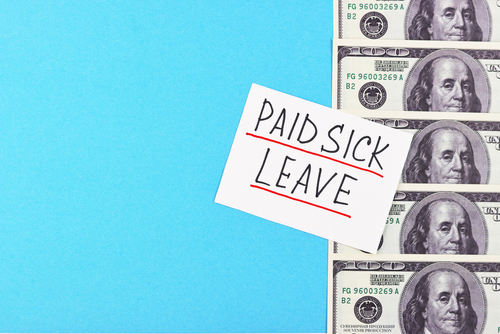 According to the United States Department of Labor’s Wage and Hour Division, the Families First Coronavirus Response Act addresses how select businesses must give their workers paid sick leave or expanded family and medical leave under permitted circumstances in light of COVID-19.
 As part of a comprehensive strategy to cope with COVID-19 and reduce the risk of spreading it, developing a sanitation plan is a necessary tool that businesses can implement during the reopening process.
 Law Enforcement Suicide Data Collection Act (S 2746) – This bill authorizes the establishment of a new Law Enforcement Officers Suicide Data Collection Program to be administered by the FBI. The program will gather data related to suicides and attempted suicides of current and former officers, as well as the wrongful detainment of U.S. nationals abroad. The purpose of the Act is to help understand and prevent law enforcement suicides. The bill was introduced by Sen. Catherine Cortez Masto (D-NV) on Oct. 30, 2019. It was passed by the House and the Senate in May and was signed into law on June 16.
 It’s been nearly half a year since Americans first became widely aware of the coronavirus contagion within the United States. While for a brief month it looked as if we had the virus in hand, since then it has spread wildly out of control in many areas.